
New Zealand’s electric vehicle (EV) market is demonstrating a robust recovery, largely propelled by government incentives and evolving consumer trends. Following a period of fluctuating growth, recent data indicates a significant uptick in EV adoption, positioning the nation as a key player in the global shift towards sustainable transport.
- The New Zealand EV market is experiencing significant growth, with strong sales figures in recent periods, particularly for fully electric vehicles.
- Government incentives, including the Clean Car Discount, have played a crucial role in stimulating demand and making EVs more accessible to a broader consumer base.
- The expanding public charging infrastructure is addressing range anxiety and supporting long-distance travel, though further development is still needed.
- Policy stability and continued support for EV adoption are vital for maintaining market momentum and achieving the nation’s decarbonization targets.
A Market Rebound Driven by Incentives
The recent resurgence in the New Zealand EV market can be largely attributed to the government’s proactive stance on promoting electric vehicle ownership. The Clean Car Discount, a rebate scheme for low-emission vehicles, has been a primary catalyst. This incentive, alongside other policy initiatives, has directly influenced consumer purchasing decisions, making the upfront cost of EVs more competitive with traditional internal combustion engine (ICE) vehicles.
Historically, early EV adoption in New Zealand, much like in other markets, was driven by environmental consciousness and technological enthusiasm. However, the introduction of financial incentives broadened the appeal to a more pragmatic segment of the population, for whom the economic benefits became a significant factor. The effectiveness of these incentives underscores a critical principle in accelerating energy transitions: policy support can bridge the gap between aspirational goals and tangible market shifts. This aligns with similar strategies observed in other regions, such as the EV incentives in California that aim to boost adoption among various income levels, as explored in our article on California’s MyFirstEV program.
New Zealand EV Sales Statistics and Adoption Rates
Analyzing the latest sales statistics reveals a compelling narrative of growth. Data from sources such as EVDB.NZ indicates a consistent upward trajectory in the registration of new electric vehicles. While the market has seen fluctuations, the overall trend points towards increasing consumer confidence and acceptance of EV technology. This growth is not merely anecdotal; it is reflected in the tangible numbers of EVs joining the national fleet.
The pace of electric vehicle adoption rates NZ has outstripped initial projections in some sectors, demonstrating a stronger-than-anticipated consumer appetite. This accelerated adoption puts pressure on supporting infrastructure and policy frameworks to keep pace with demand, ensuring a smooth transition for new EV owners.
Passenger EVs Leading the Charge
The passenger vehicle segment has been a dominant force in the New Zealand EV market. A diverse range of models, from compact city cars to SUVs, are increasingly available, catering to varying consumer preferences and budgets. This widening selection, combined with performance improvements and increasing range, has made EVs a viable option for a broader demographic. The competition among manufacturers has also driven innovation and reduced prices, further fueling adoption.
The Role of Charging Infrastructure
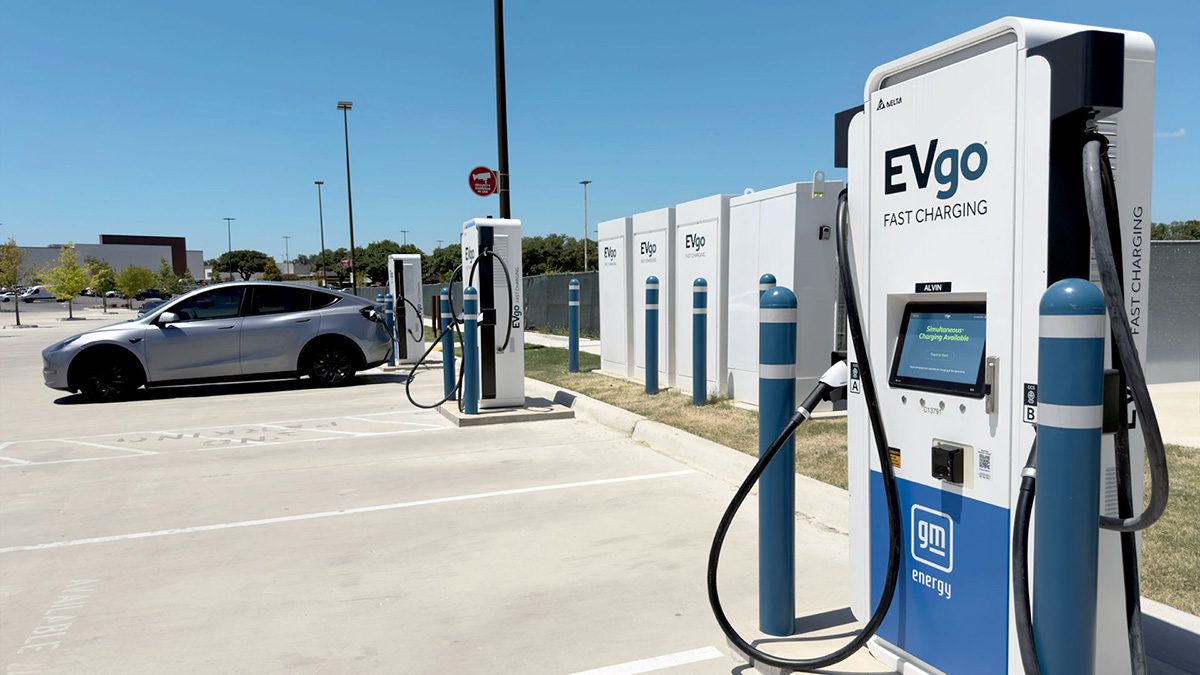
The expansion of New Zealand’s charging network has been instrumental in alleviating range anxiety, a significant barrier to EV adoption in earlier stages. Both public and private investment has led to a greater density of charging stations across urban and rural areas. While the network continues to grow, ensuring equitable access and sufficient capacity, especially in high-demand areas and for long-distance travel, remains a focus. The government’s ongoing support for charging infrastructure development, as highlighted by EECA insights, is crucial for sustained EV growth.
NZ Government Electric Vehicle Policy and Future Outlook
The NZ government electric vehicle policy has been a cornerstone of the market’s success. Beyond the Clean Car Discount, policies around vehicle emissions standards, investments in public transport electrification, and support for renewable energy generation all contribute to a favorable environment for EVs. The government’s commitment to reducing carbon emissions through transport electrification signals a long-term vision, providing certainty for consumers and investors alike.
Looking ahead, the future outlook for the New Zealand EV market appears promising, albeit with challenges. Maintaining the momentum requires consistent policy support, adapting incentives as the market matures, and proactively addressing emerging needs such as grid integration and charging accessibility. The lessons learned from New Zealand’s journey could also offer valuable insights for other emerging EV markets, such as those discussed in our analysis of Latin America EV sales.
Consumer Perspectives and the EV Buying Experience
From the consumer’s perspective, the decision to purchase an EV in New Zealand is increasingly influenced by a blend of environmental consciousness, economic benefits, and practical considerations. The total cost of ownership, including lower fuel and maintenance costs, often outweighs the higher upfront purchase price, especially when factoring in government rebates. The driving experience, characterized by quiet operation and instant torque, also contributes to positive consumer sentiment.
However, practical aspects such as access to home charging, public charging availability on longer journeys, and the resale value of EVs remain important factors. Dealership experience, access to financing, and insurance options also play a role in shaping the overall buying journey. As the market matures, consumer education and support services will become increasingly vital.
What This Means for the Wider Energy Ecosystem
The accelerating adoption of EVs in New Zealand has profound implications beyond the automotive sector, significantly impacting the broader energy ecosystem. As more vehicles transition to electric power, the demand on the national electricity grid will naturally increase. This shift necessitates careful planning and investment in grid infrastructure to ensure stability and reliability. New Zealand, with its high proportion of renewable energy generation, particularly from hydro, geothermal, and wind sources, is well-positioned to meet this rising demand sustainably. However, optimizing grid management, integrating smart charging solutions, and exploring vehicle-to-grid (V2G) technologies will be crucial to maximize the benefits and minimize potential strain.
The rise of EVs also creates opportunities for innovation in energy storage and distributed generation. Home charging, often powered by rooftop solar, could decentralize energy consumption and reduce reliance on peak grid supply. This trend aligns with discussions around energy independence and resilience, fostering a more robust and flexible energy system. Furthermore, the increased electricity demand from EVs could stimulate further investment in renewable energy projects, accelerating the decarbonization of the entire energy sector, a topic often explored by energy consultancies like Concept Consulting.
This dynamic interplay between EV adoption and the energy grid highlights the interconnected nature of clean energy transitions. It’s not just about cleaner cars; it’s about a cleaner, more resilient, and more efficient energy infrastructure overall. The proactive integration of EV charging with renewable energy sources and grid management strategies will define New Zealand’s success in achieving its ambitious climate goals. The implications extend to urban planning, necessitating the consideration of charging infrastructure in new developments and public spaces. The economic benefits also ripple through the supply chain, from charging equipment manufacturers to energy service providers, creating new jobs and investment opportunities. This comprehensive view underscores the transformative potential of electric vehicles as a cornerstone of a sustainable future.
FAQ About the New Zealand EV Market
- What are the primary incentives for buying an EV in New Zealand?
- The primary incentive has been the Clean Car Discount, offering rebates for new and used low-emission vehicles. While specific terms and availability can change, this program has significantly reduced the upfront cost for consumers.
- How is New Zealand’s EV charging infrastructure developing?
- New Zealand’s charging infrastructure is continually expanding, with increasing numbers of public fast chargers and destination chargers. Both government initiatives and private companies are investing in growing the network to support the rising number of EVs on the road.
- What types of EVs are most popular in New Zealand?
- Fully electric passenger vehicles (BEVs) are currently the most popular segment, with a growing variety of models available. Plug-in hybrid electric vehicles (PHEVs) also hold a significant market share, particularly for consumers transitioning from ICE vehicles.
- What is the New Zealand government’s long-term vision for EVs?
- The New Zealand government aims to significantly increase EV adoption as part of its broader strategy to reduce transport emissions and achieve climate change targets. This includes ongoing policy support, infrastructure development, and public awareness campaigns.
Conclusion
The New Zealand EV market is in a period of dynamic growth and recovery, driven by effective government incentives and a growing public appetite for sustainable transport. While challenges remain in areas such as charging infrastructure and grid integration, the nation’s commitment to electrification is clear. The continued evolution of policy, technology, and consumer behavior positions New Zealand as a notable case study in the global transition to electric mobility. As the market matures, the focus will increasingly shift towards optimizing the charging ecosystem and integrating EVs seamlessly into the national energy grid, ensuring a sustainable and resilient future for transport.
Source: EECA Insights – Plugging into the future: How New Zealand is electrifying its roads



Join the Conversation
0 CommentsLeave a Reply