Solar Powered EV Charging Drives Renewable Energy Integration
Explore solar powered EV charging and vehicle-to-grid integration. Unlock actionable steps for a successful renewable energy transition today.
 verified
The rapid growth of electric vehicles (EVs) has sparked considerable discussion about their environmental benefits. However, achieving true sustainability in the EV sector necessitates a deeper integration with renewable energy sources, particularly solar power. While many narratives celebrate EV adoption, a critical examination reveals a significant gap: the energy powering these vehicles often still originates from fossil fuels. The true promise of electric mobility—zero-emission transportation—hinges on a robust infrastructure of solar-powered EV charging, energy storage, and smart grid technologies.
- True EV sustainability requires integration with renewable energy, moving beyond superficial emissions claims.
- Solar-powered EV charging infrastructure, coupled with energy storage, is critical for reducing grid strain and maximizing clean energy use.
- Vehicle-to-Grid (V2G) technology and smart charging are emerging as vital tools for grid stability and optimized energy flow.
- Advanced battery chemistries, such as Lithium Iron Phosphate (LFP), offer pathways to more sustainable and efficient EV and stationary storage solutions.
- Policy and investment are essential to bridge the current infrastructure gaps and accelerate a holistic renewable energy transition.
Introduction: Beyond Superficial EV Leadership
While the electrification of transport is a crucial step towards decarbonization, claims of national or regional EV leadership often focus solely on sales figures and market penetration. This narrow perspective overlooks the fundamental question of where the electricity powering these vehicles comes from. An EV charged with electricity generated from coal or natural gas merely shifts emissions from the tailpipe to the power plant, diminishing its environmental advantage. True leadership in electric mobility requires a comprehensive strategy that prioritizes solar powered EV charging, integrated energy storage, and intelligent grid management. Without this holistic approach, the promise of a sustainable EV future remains largely unfulfilled.
The Synergy of EVs, Solar, and Storage: Opportunities and Innovations
The convergence of electric vehicles, solar power, and energy storage presents an unparalleled opportunity to create a truly sustainable transportation ecosystem. Solar energy provides a clean, renewable source of electricity, while energy storage systems—whether stationary batteries or the EVs themselves—can store this energy for later use, mitigating the intermittency inherent in renewables. This synergy is not just about environmental benefits; it also offers grid stability, reduces demand charges, and can lower the overall cost of EV ownership.
Solar Charging Infrastructure as a Cornerstone
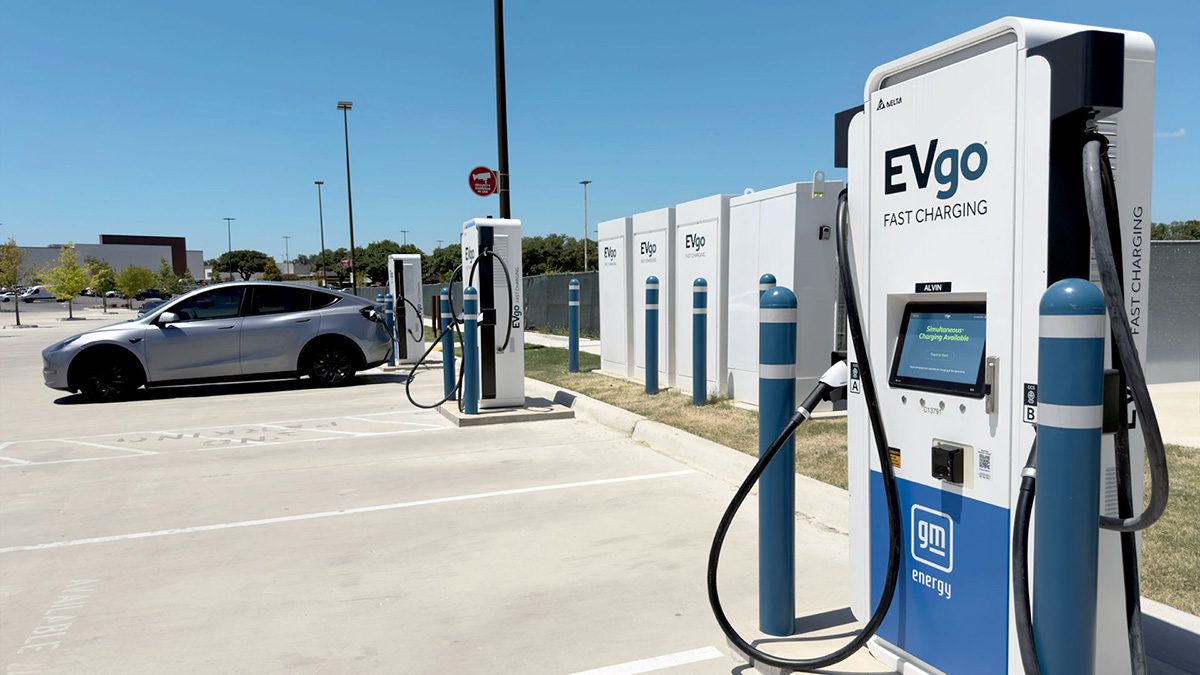
The deployment of dedicated solar-powered EV charging stations, whether at homes, workplaces, or public charging hubs, is fundamental. These installations often combine photovoltaic (PV) arrays with battery storage, allowing them to charge EVs directly from solar generation, even when the sun isn’t shining. This approach not only maximizes the use of clean energy but also reduces the strain on the conventional grid, especially during peak demand periods. Examples of this integration are becoming more common, from individual carport solutions to large-scale charging depots incorporating substantial solar canopies and battery banks. The expansion of such infrastructure, as seen in evolving charging networks, is crucial for supporting mass EV adoption sustainably.
Vehicle-to-Grid and Smart Charging Explained
Beyond simply consuming electricity, EVs have the potential to become active participants in the energy grid. Vehicle-to-Grid (V2G) technology allows EVs to not only draw power from the grid but also to feed surplus energy back into it when needed. This bidirectional flow of energy can help balance supply and demand, providing valuable services such as frequency regulation, peak shaving, and backup power during outages. For example, a fleet of V2G-enabled EVs at a workplace could absorb excess solar power during the day and discharge it back to the grid during evening peak demand, effectively acting as a distributed energy storage system. The U.S. Department of Energy provides detailed information on the potential of Vehicle-Grid Integration (VGI).
Optimizing Energy Flow with Smart Charging
Smart charging complements V2G by intelligently managing when and how EVs charge. Rather than simply plugging in and drawing power immediately, smart charging systems can respond to real-time grid conditions, electricity prices, and the availability of renewable energy. For instance, a smart charger could prioritize charging during periods of high solar generation or low electricity prices, or automatically defer charging if the grid is under stress. This optimization not only benefits the grid but can also lead to lower charging costs for EV owners. Integrating smart charging with renewable energy sources ensures that EVs consume the cleanest and most cost-effective electricity available, maximizing their environmental benefit.
The Role of Advanced Batteries in Clean Mobility
Battery technology is at the heart of both EVs and stationary energy storage systems. Advancements in battery chemistry, manufacturing processes, and recycling are critical for enhancing the sustainability and performance of the entire clean energy ecosystem. While lithium-ion batteries dominate the market, ongoing research and development are exploring alternatives and improvements to address concerns around raw material sourcing, environmental impact, and cost.
The Rise of LFP Batteries
Lithium Iron Phosphate (LFP) batteries are gaining significant traction in both the EV and stationary storage sectors. Unlike traditional NMC (Nickel Manganese Cobalt) lithium-ion batteries, LFPs do not use cobalt or nickel, which are often associated with ethical sourcing concerns and volatile market prices. LFP batteries offer several advantages, including a longer cycle life, improved safety characteristics (less prone to thermal runaway), and generally lower cost. While they historically had lower energy density compared to NMC, recent advancements have made them increasingly viable for a wider range of applications, including longer-range EVs. This makes LFP a compelling choice for solar-powered EV charging stations and grid-scale storage, contributing to a more sustainable and resilient energy infrastructure. The growing investment in battery storage capacity, including LFP, highlights this trend.
Policy, Grid, and Consumer Impacts
Realizing the full potential of solar-powered EV charging requires supportive policies, significant grid modernization, and active consumer participation. Governments can incentivize the installation of solar-plus-storage charging infrastructure through tax credits, rebates, and streamlined permitting processes. Regulatory frameworks must also evolve to support V2G capabilities and dynamic grid services from EVs, as explored in discussions around dynamic grid fees. Grid operators, in turn, need to invest in smart grid technologies, enhance cybersecurity, and upgrade transmission and distribution infrastructure to accommodate increased renewable energy penetration and bidirectional power flows.
For consumers, awareness and education are key. Understanding the benefits of charging with solar, participating in V2G programs, and utilizing smart charging features can empower them to be active contributors to a cleaner energy system. This shift requires a departure from viewing EVs merely as transportation devices and embracing them as mobile energy assets.
What This Means for the Future of Mobility
The integration of solar power, energy storage, and smart grid technologies with electric vehicles represents a paradigm shift in how we envision transportation. It moves beyond a simple fuel switch and towards a holistic energy system where vehicles are interconnected, intelligent, and actively contribute to grid stability and renewable energy uptake. This approach will accelerate the decarbonization of both the transport and power sectors simultaneously. It means a future where charging an EV is not just convenient, but also an act that strengthens the local grid, optimizes renewable energy use, and reduces overall carbon emissions. This transition will require concerted effort from policymakers, industry, and consumers to build the necessary infrastructure and adopt new behaviors.
Actionable Steps to Bridge the Gap
To accelerate the transition to truly sustainable EV charging, several actionable steps are imperative:
- Invest in Integrated Infrastructure: Prioritize the deployment of public and private charging stations that combine solar PV, battery storage, and smart charging capabilities.
- Incentivize V2G Technology: Develop policies and utility programs that reward EV owners and fleet operators for participating in V2G services, transforming EVs into grid assets.
- Advance Battery Innovation: Continue research and development into sustainable battery chemistries, like LFP, and improve recycling processes to minimize environmental impact (learn more about EV battery materials).
- Modernize Grid Infrastructure: Upgrade grids to handle bidirectional power flows, integrate more renewables, and support smart energy management systems.
- Educate Consumers and Stakeholders: Raise awareness about the benefits of renewable-powered EV charging and the role EVs can play in a resilient energy system.
FAQ
Q: What is solar powered EV charging?
A: Solar powered EV charging involves using electricity generated from solar panels to charge electric vehicles. This can be done directly at a charging station equipped with PV panels and often battery storage, or indirectly by drawing solar-generated electricity from the main grid.
Q: How do EVs contribute to grid stability?
A: EVs can contribute to grid stability through Vehicle-to-Grid (V2G) technology and smart charging. V2G allows EVs to return excess electricity to the grid during peak demand or renewable energy lulls, while smart charging optimizes charging times to align with renewable energy availability and lower grid stress.
Q: What are LFP batteries and why are they important for clean mobility?
A: LFP (Lithium Iron Phosphate) batteries are a type of lithium-ion battery that uses iron phosphate for the cathode material. They are important because they offer a longer lifespan, enhanced safety, and do not rely on cobalt or nickel, which can have significant environmental and ethical sourcing concerns associated with them. This makes them a more sustainable and cost-effective option for both EVs and stationary energy storage.
Q: What is the difference between smart charging and V2G?
A: Smart charging manages when and how an EV charges to optimize for grid conditions, renewable availability, or cost. V2G is a more advanced capability that allows an EV to not only draw power from the grid but also to export power back to the grid, acting as a mobile energy storage unit.
Conclusion: Accelerating a Holistic Renewable Transition
The journey towards sustainable mobility is complex, extending far beyond the adoption of electric vehicles alone. It mandates a foundational shift in our energy infrastructure, with solar powered EV charging at its core, supported by robust energy storage solutions and intelligent grid technologies. By integrating EVs as active participants in the energy ecosystem through V2G and smart charging, and by embracing sustainable battery technologies like LFP, we can unlock the full potential of electric transportation. This holistic approach not only minimizes the environmental footprint of EVs but also contributes significantly to a more resilient, efficient, and renewable-powered future for all. The path forward requires coordinated efforts from industry, government, and consumers to build the infrastructure, enact the policies, and adopt the behaviors necessary for a truly green revolution in transport and energy.

Elena Marsh is the editorial byline for VoltaicBox's coverage of solar, wind, hydrogen and grid-scale storage. Articles published under this byline are researched and edited by the VoltaicBox team, and link to their primary sources u2014 project filings, regulatory decisions and published energy data u2014 so readers can check the original for themselves.
More to Explore
Discover more content from our partner network.



Join the Conversation
0 CommentsLeave a Reply