Latin America EV Sales Grow in Q2 2024 as Market Share Rises
Latin America’s EV sales surpassed 10% market share in Q2 2024. Discover top countries, BEV adoption, and lithium battery trends now.
 verified
- Latin America’s electric vehicle (EV) market achieved a significant milestone in Q2 2024, with EV sales capturing over 10% of the total light-duty vehicle market for the first time.
- This growth is largely driven by increasing consumer awareness, a broader range of available models, and supportive government policies in key countries like Brazil and Colombia.
- Battery Electric Vehicles (BEVs) are showing stronger growth compared to Plug-in Hybrid Electric Vehicles (PHEVs) in several markets, indicating a shift towards fully electric solutions.
- Chinese manufacturers, particularly BYD, are playing a pivotal role in accelerating EV adoption across the region, offering competitive pricing and diverse model lineups.
Latin America EV Sales Surge Past 10% Market Share in Q2 2024
Latin America’s automotive landscape is undergoing a notable transformation, with electric vehicle (EV) sales reaching an unprecedented milestone in the second quarter of 2024. For the first time, EVs commanded over 10% of the total light-duty vehicle market across the region, signaling a significant acceleration in the shift towards sustainable transportation. This achievement underscores the growing momentum of electrification, driven by a confluence of factors including evolving consumer preferences, expanding model availability, and increasingly supportive policy environments.
The consistent upward trajectory of global EV markets has now firmly taken root in Latin America. While the region has historically lagged behind more established EV markets in Europe, Asia, and North America, the Q2 2024 performance demonstrates a clear inflection point. This surge in Latin America EV sales is not merely a statistical anomaly but reflects fundamental shifts in infrastructure, policy, and consumer perception, paving the way for continued growth in the latter half of the decade. The increasing penetration of EVs represents a crucial step in the region's broader energy transition, aligning with global efforts to decarbonize the transportation sector and mitigate climate change.
Regional Growth and Market Dynamics
The growth in Latin America’s EV market share is a multifaceted phenomenon, reflecting varied paces of adoption and distinct market dynamics across individual countries. While the 10% market share is an aggregate figure, it is underpinned by robust growth in several key economies. This expansion is characterized by a diversification of EV offerings, including a wider array of battery electric vehicles (BEVs) and plug-in hybrid electric vehicles (PHEVs), catering to different consumer needs and economic realities.
The overall market expansion is also being influenced by increasing consumer awareness regarding the environmental and economic benefits of EVs, such as lower running costs and reduced emissions. This awareness is being bolstered by educational campaigns and demonstration projects, helping to demystify EV technology and address common misconceptions about range anxiety and charging infrastructure availability. The sustained growth suggests a deepening market maturity, moving beyond early adopters to a broader segment of the population.
BEV vs. PHEV: A Split in Adoption
Within the burgeoning Latin American EV market, a notable divergence can be observed in the adoption rates of BEVs and PHEVs. While both categories contribute to the overall EV market share, there is an observable trend towards stronger growth in the BEV segment in several markets. This indicates a growing consumer confidence in fully electric vehicles, likely influenced by advancements in battery technology, increasing charging infrastructure, and the declining cost of BEVs.
PHEVs, offering a transitional solution with both electric and internal combustion engines, continue to play a vital role, particularly in regions where charging infrastructure is still developing or for consumers with specific travel requirements. However, the accelerating pace of BEV sales suggests that as the region’s charging networks expand and battery ranges improve, consumers are increasingly opting for the pure electric driving experience. This shift has implications for future infrastructure planning and the types of incentives governments might offer.
Country-by-Country Analysis: Leading the Charge
The regional EV market performance is an aggregation of diverse national narratives, each shaped by unique policy frameworks, economic conditions, and consumer preferences. A closer examination of individual countries reveals varying levels of maturity and drivers of growth.
Brazil and Colombia: Market Leaders
Brazil and Colombia have emerged as frontrunners in the Latin American EV market. Brazil, with its large automotive market and growing focus on renewable energy, has seen significant investments in EV manufacturing and charging infrastructure. The country's robust internal market and a proactive stance on sustainable mobility have contributed to its leading position. Colombia has also demonstrated impressive growth, supported by government incentives and a strategic focus on public transportation electrification. These two nations are setting precedents for EV adoption within the region, offering valuable lessons for other countries looking to accelerate their transition.
Mexico, Uruguay, and Chile: Emerging Markets
Beyond the market leaders, other countries like Mexico, Uruguay, and Chile are rapidly gaining ground. Mexico, a major automotive manufacturing hub, is increasingly attracting investments in EV production, positioning itself as a key player in the regional supply chain. Uruguay, despite its smaller market size, has demonstrated a strong commitment to electrification, particularly in public transport and fleet vehicles, supported by progressive policies. Chile, rich in lithium resources crucial for EV batteries, is also making strides, partly driven by a broader push for solar-plus-storage solutions and renewable energy integration. These emerging markets represent the next wave of growth for Latin America EV sales, each contributing uniquely to the regional narrative of electrification. Costa Rica is another notable mention, often cited for its high renewable energy penetration and supportive EV policies, further diversifying the regional landscape.
Policy Drivers and Infrastructure Challenges
The accelerating adoption of EVs in Latin America is inextricably linked to the policy landscape and the ongoing development of charging infrastructure. Governments across the region are increasingly recognizing the economic and environmental benefits of EVs, leading to the implementation of various incentives and regulatory frameworks.
These policies often include tax exemptions, import duty reductions, and subsidies for EV purchases, making them more financially accessible to a wider consumer base. Additionally, some cities are introducing preferential parking, reduced tolls, and dedicated EV lanes to encourage adoption. However, the pace and scope of these policies vary significantly from country to country, creating a patchwork of incentives that can influence regional growth disparities. For instance, while some nations have comprehensive strategies, others are still in the nascent stages of policy development.
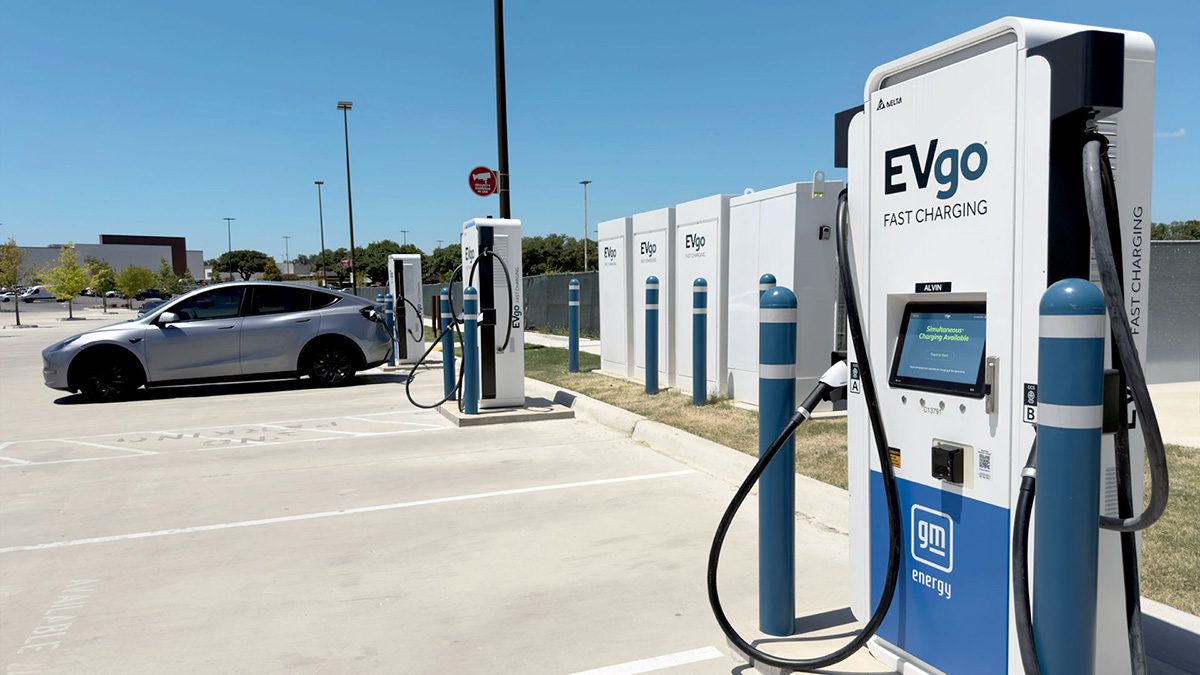
Concurrently, the expansion of charging infrastructure remains a critical challenge and a key enabler of further EV growth. While urban centers are seeing an increase in public and private charging stations, rural and inter-city networks are often less developed. This disparity contributes to range anxiety and can deter potential EV buyers, particularly those needing to travel longer distances. Addressing this gap requires coordinated efforts between governments, private sector investors, and utility companies to ensure a robust and accessible charging ecosystem across the continent. Initiatives to facilitate rooftop PV assessment in informal settlements could also play a role in decentralized charging solutions in some urban areas.
Manufacturer Trends and Battery Technology Shifts
The Latin American EV market is increasingly influenced by global manufacturing trends and advancements in battery technology. A significant factor in the recent surge of Latin America EV sales has been the aggressive entry and expansion of Chinese automotive manufacturers, particularly BYD. These companies are offering a diverse range of competitively priced EV models, from compact city cars to SUVs and commercial vehicles, which are proving attractive to Latin American consumers. Their strategic investments in local production facilities and distribution networks are further solidifying their market presence and contributing to increased accessibility of EVs.
Beyond Chinese brands, traditional global automakers are also increasing their EV offerings in the region, recognizing the significant growth potential. This increased competition is beneficial for consumers, leading to more choices and potentially lower prices. The focus on battery technology, particularly lithium-ion advancements, remains central to this evolution. Improvements in energy density, charging speeds, and cost reduction are directly impacting the viability and appeal of EVs. As the region itself is rich in raw materials like lithium, there is growing interest in developing local battery manufacturing capabilities, which could further drive down costs and enhance supply chain resilience. The broader trend of Chinese carmakers boosting Latin America EVs highlights this dynamic shift.
The Bigger Picture: Implications for Latin America’s Energy Transition
The recent surge in Latin America EV sales, pushing market share past 10% in Q2 2024, is more than just an automotive trend; it represents a critical inflection point in the region’s broader energy transition. The implications extend far beyond simply replacing gasoline cars with electric ones, touching upon energy security, urban planning, and economic development. This shift signifies a tangible move away from fossil fuel dependence in the transportation sector, a major contributor to carbon emissions and air pollution in many Latin American cities. As more EVs hit the road, the demand for refined petroleum products will gradually decrease, potentially freeing up resources and reducing import expenditures for oil-importing nations.
Crucially, the increasing adoption of EVs places a greater emphasis on the source of electricity. For Latin American countries with significant renewable energy generation capacities—such as hydropower in Brazil and Colombia, and burgeoning solar and wind projects across Chile and Uruguay—this transition offers a pathway to truly decarbonized mobility. The synergy between renewable energy and EVs creates a virtuous cycle: cleaner electricity powers cleaner transport, further enhancing the region’s sustainability credentials. However, it also highlights the urgent need for grid modernization and expansion to handle increased electricity demand, especially during peak charging times. The success of EVs will thus be intrinsically linked to continued investment in renewable energy infrastructure and smart grid technologies.
From an economic perspective, the rise of EVs can stimulate local industries, creating new jobs in manufacturing, maintenance, and charging infrastructure development. The involvement of Chinese manufacturers, while bringing competitive products, also poses questions about local content requirements and technology transfer, which could be opportunities for regional industrial growth. The sustained growth of the EV market will necessitate strategic planning for urban infrastructure, including considerations for public charging, parking, and grid stability. This holistic approach to the energy transition, with EVs as a central pillar, will shape Latin America’s environmental and economic future for decades to come. Even the market dynamics of broader energy storage, such as those related to solar EV energy storage and other smart devices, will likely be influenced by this trend.
Challenges and Opportunities Ahead
Despite the encouraging growth in Latin America EV sales, several challenges remain that could impede a more rapid and widespread adoption. The initial purchase cost of EVs, while decreasing, can still be a barrier for many consumers, particularly in markets with lower disposable incomes. The availability and reliability of public charging infrastructure, especially fast-charging options, are critical pain points that need concerted investment and strategic planning. Furthermore, consumer education about EV maintenance, battery longevity, and the overall ownership experience is essential to overcome lingering skepticism.
However, these challenges also present significant opportunities. The region's rich endowment of raw materials for batteries, such as lithium in Chile and Argentina, could foster the development of a local EV battery supply chain, creating economic value and reducing reliance on imports. Investment in renewable energy sources to power EVs will further enhance energy independence and environmental sustainability. Moreover, the rapid urbanization across Latin America provides an opportunity for integrating EV infrastructure into new urban planning initiatives, creating smart cities that prioritize clean mobility. Regional cooperation on policy harmonization and cross-border charging networks could also accelerate the transition, creating a more cohesive and efficient EV ecosystem.
FAQ: Frequently Asked Questions
What does the 10% market share for EVs in Latin America mean?
It signifies that in Q2 2024, one out of every ten light-duty vehicles sold in Latin America was an electric vehicle (either battery electric or plug-in hybrid). This is a significant milestone, indicating growing consumer adoption and market maturity.
Which countries are leading EV sales in Latin America?
Brazil and Colombia are currently leading the region in EV sales, supported by substantial market sizes and favorable government policies. Other countries like Mexico, Uruguay, and Chile are rapidly increasing their EV adoption rates.
What role are Chinese manufacturers playing in the Latin American EV market?
Chinese manufacturers, particularly BYD, are playing a crucial role by offering a wide range of competitively priced EV models and investing in local production and distribution. Their presence has significantly accelerated EV adoption across the region.
What are the biggest challenges for EV adoption in Latin America?
Key challenges include the initial purchase cost of EVs, the limited availability and reliability of public charging infrastructure outside of major urban centers, and the need for greater consumer awareness and education about EV technology and ownership.
How do government policies affect EV sales in the region?
Government policies, such as tax exemptions, import duty reductions, and purchase subsidies, play a vital role in making EVs more affordable and attractive to consumers. The implementation of favorable regulations and infrastructure planning is crucial for sustained growth.
Conclusion: A Trajectory of Growth
The achievement of over 10% market share for electric vehicles in Latin America during Q2 2024 represents a landmark moment for the region's clean energy transition. This milestone is a testament to the confluence of technological advancements, evolving policy frameworks, and growing consumer demand. While challenges related to cost and infrastructure development persist, the trajectory is clear: Latin America is embracing electric mobility at an accelerating pace. The continued influx of diverse EV models, particularly from competitive Asian manufacturers, combined with domestic policy support, is poised to sustain this growth. As the region continues to invest in renewable energy generation and smart grid technologies, the integration of EVs will become an increasingly vital component of a cleaner, more sustainable future for Latin American transportation.
Source: Original article based on market analysis and industry reports from Q2 2024.

Elena Marsh is the editorial byline for VoltaicBox's coverage of solar, wind, hydrogen and grid-scale storage. Articles published under this byline are researched and edited by the VoltaicBox team, and link to their primary sources u2014 project filings, regulatory decisions and published energy data u2014 so readers can check the original for themselves.
More to Explore
Discover more content from our partner network.



Join the Conversation
0 CommentsLeave a Reply