California MyFirstEV Program Drives EV Adoption and Grid Innovation
Explore California MyFirstEV Program—insights on EV incentive structures, top manufacturers, and impacts on solar, storage, and the grid. Learn more.
 verified
California continues to lead the nation in electric vehicle (EV) adoption, further accelerating this transition through its innovative MyFirstEV Program. This initiative, designed to make zero-emission vehicles (ZEVs) more accessible and affordable for first-time buyers, extends beyond simple rebates by strategically integrating with broader clean energy goals, including solar power, energy storage, and grid modernization.
- The California MyFirstEV Program offers up to $7,500 in instant rebates for new and used ZEVs, specifically targeting first-time EV buyers to enhance accessibility and affordability.
- Over a dozen automakers, including Ford, GM, Hyundai, Kia, Nissan, Stellantis, Subaru, Toyota, and Volkswagen, are participating, offering a wide range of eligible models.
- Beyond individual car purchases, the program is a crucial lever for California’s clean energy transition, fostering synergies with residential solar, energy storage, and advancing vehicle-to-grid (V2G) technologies.
- The initiative aims to address climate equity by making EVs attainable for low- to moderate-income households, which are often disproportionately affected by air pollution.
A Gateway to ZEV Ownership
The California MyFirstEV Program, a component of the state’s broader California Climate Investments initiative, represents a significant policy instrument in the state’s drive towards a decarbonized transportation sector. By focusing on first-time EV buyers, the program seeks to democratize access to ZEV technology, removing key financial barriers that have historically limited adoption among diverse socioeconomic groups. This targeted approach is essential for achieving California’s ambitious climate goals, which include a full transition to ZEV sales by 2035.
How the Program Works
Unlike traditional rebate programs that require post-purchase applications, the MyFirstEV Program offers instant rebates directly at the dealership. This streamlined process eliminates the waiting period and administrative hurdles that can deter potential buyers, making the purchasing experience more immediate and transparent. The instant rebate mechanism is designed to simplify the financial transaction, making the upfront cost of an EV more manageable. This direct point-of-sale incentive is a critical differentiator, providing tangible financial relief at the moment of decision.
Participating Automakers and Models
A broad coalition of automakers has partnered with the state to support the MyFirstEV Program. This includes major players such as Ford, General Motors, Hyundai, Kia, Mazda, Mercedes-Benz, Mitsubishi, Nissan, Stellantis, Subaru, Toyota, Volkswagen, and Volvo. The participation of such a diverse group ensures that a wide array of eligible new and used battery electric vehicles (BEVs) and plug-in hybrid electric vehicles (PHEVs) are available to consumers. This breadth of choice is vital for addressing varying consumer preferences, needs, and budgets, from compact sedans to SUVs and even some light trucks, ensuring that the program’s benefits can reach a wide audience. The list of eligible vehicles is regularly updated, reflecting the dynamic nature of the EV market and the continuous introduction of new models.
Incentives and Accessibility
The MyFirstEV Program’s core strength lies in its ability to combine substantial financial incentives with a clear focus on accessibility, particularly for low- to moderate-income households. This dual approach is critical for ensuring that the benefits of clean transportation are distributed equitably across California’s diverse population.
Financial Benefits
The program offers significant financial relief, with rebates reaching up to $7,500 for the purchase or lease of eligible new or used ZEVs. Specifically, buyers can receive:
- Up to $6,000 for a new ZEV.
- Up to $4,000 for a used ZEV.
An additional $1,500 “equity bonus” is available for applicants residing in designated low-income communities or those who meet specific income requirements. This tiered incentive structure is designed to maximize the program’s impact, making ZEV ownership a realistic option for many Californians who might otherwise be priced out of the market. The availability of incentives for used EVs is particularly important, as it expands the market for affordable ZEVs and offers a sustainable pathway for broader adoption.
Eligibility Requirements
To qualify for the MyFirstEV Program, applicants must meet specific criteria, primarily focusing on income and first-time ZEV ownership:
- Applicants must be first-time ZEV buyers or lessees, meaning they have not owned or leased a ZEV in the past.
- Income eligibility is set at 400% or less of the federal poverty level, ensuring the program targets those for whom the financial incentive will have the most significant impact.
- Proof of California residency and a valid driver’s license are also required.
These requirements ensure that the program’s resources are directed towards its intended beneficiaries, aligning with the state’s broader goals of environmental justice and equitable access to clean technologies. The focus on first-time buyers aims to expand the overall EV market, rather than simply subsidizing existing EV enthusiasts.
The Broader Implications for California’s Clean Energy Grid
While primarily focused on vehicle adoption, the California MyFirstEV Program plays a crucial, albeit often understated, role in the state’s larger clean energy ecosystem. The increasing number of EVs on California’s roads has profound implications for solar power, energy storage, and the stability of the electrical grid. This program, by catalyzing EV ownership, indirectly supports the expansion and integration of these critical renewable technologies.
Synergy with Solar and Energy Storage
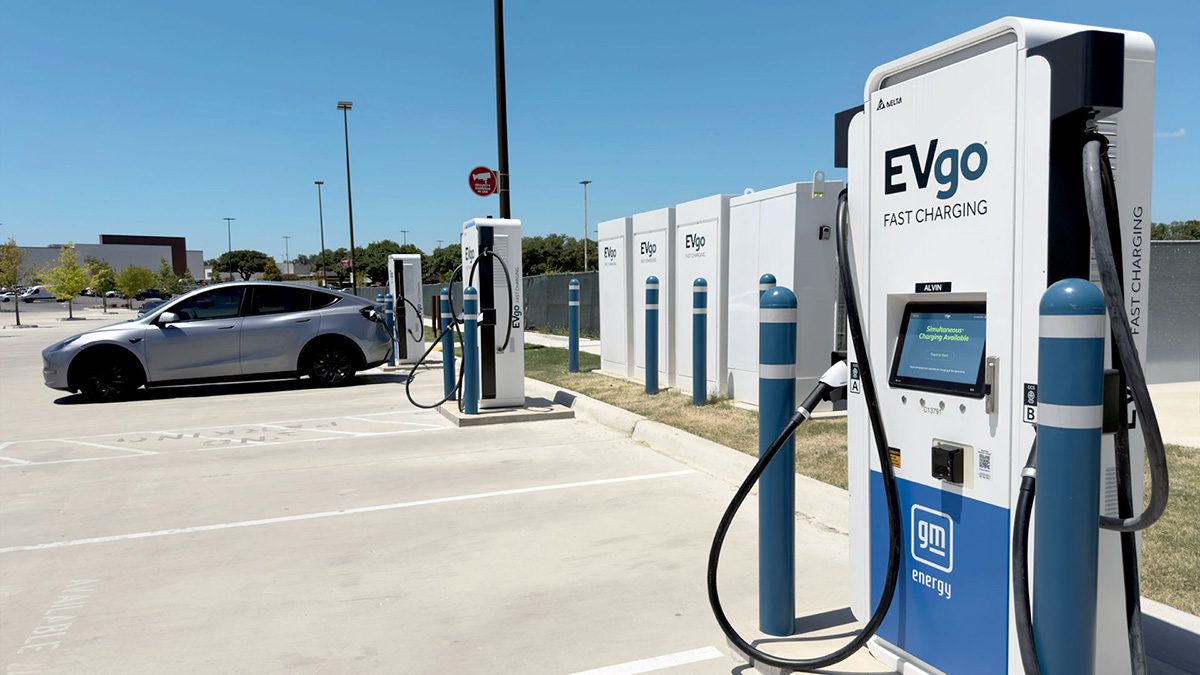
The surge in EV ownership directly creates a greater demand for charging infrastructure, which, when coupled with residential and commercial solar installations, can lead to a more sustainable energy paradigm. As more Californians purchase EVs through programs like MyFirstEV, the incentive to install rooftop solar panels to power their vehicles with self-generated electricity grows. This synergy reduces reliance on grid electricity for charging, particularly during peak demand hours, and decreases the carbon footprint associated with transportation. Furthermore, the combination of EVs and home battery storage systems—often charged by solar—can create a resilient microgrid for homeowners, providing backup power during outages and enhancing energy independence. The expansion of these distributed energy resources is a strategic priority for California, and EV adoption acts as a significant catalyst. For more on California’s solar initiatives, see California Solar Project Permitting & Land Use Policy Conservation.
V2G Potential and Grid Stability
The long-term vision for EV integration extends beyond simply consuming electricity. Vehicle-to-Grid (V2G) technology, where EVs can return stored energy to the grid during periods of high demand or low renewable energy generation, holds immense potential for enhancing grid stability and resilience. While still in its nascent stages, the MyFirstEV Program, by expanding the total number of grid-connected EVs, lays the groundwork for future V2G deployment. A larger fleet of V2G-enabled vehicles could act as a massive distributed energy storage system, providing ancillary services to the grid, balancing supply and demand, and supporting the integration of intermittent renewable sources like solar and wind. This innovative concept could transform EVs from mere transportation devices into dynamic assets for grid management, offering a flexible and responsive resource to utilities. Such advancements are critical as states like California continue to push for higher renewable energy penetration, as discussed in US States Solar Policy Updates Q2 2026.
Load Management and Utility Adaptation
The increasing EV fleet necessitates significant adaptation from utility providers and grid operators. Managing the growing electrical load from EV charging, especially during peak hours, is a challenge that requires smart charging solutions and strategic infrastructure investments. Programs like MyFirstEV highlight the urgency for utilities to implement advanced load management strategies, encourage off-peak charging through time-of-use rates, and invest in grid modernization technologies. The shift towards electrification of transportation requires a holistic approach that considers not only vehicle adoption but also the underlying energy infrastructure. Collaboration between policymakers, automakers, and utilities is paramount to ensure a smooth and efficient transition, minimizing strain on the grid while maximizing the benefits of clean transportation. Grid Modernization and Renewables is an example of ongoing efforts in this area.
Navigating the Future of Electric Transportation
The California MyFirstEV Program is more than just a financial incentive; it represents a strategic investment in the state’s clean energy future. By making ZEVs accessible to a broader demographic, the program not only accelerates the transition away from fossil-fuel vehicles but also strengthens the symbiotic relationship between electric transportation and renewable energy infrastructure. The insights from this program will be crucial for developing future policies that seamlessly integrate EVs into a modernized, resilient, and sustainable energy grid. Governor Newsom’s administration has been a strong proponent, noting the critical role of such partnerships with automakers in achieving climate goals, as detailed in a statement from the Governor’s office.
FAQ
- What is the California MyFirstEV Program?
- It’s a state-run initiative offering instant rebates of up to $7,500 for eligible first-time buyers or lessees of new or used zero-emission vehicles (ZEVs) in California. It aims to make EVs more affordable and accessible.
- Who is eligible for the MyFirstEV Program?
- Eligibility is primarily for first-time ZEV buyers or lessees who meet specific income requirements (400% or less of the federal poverty level) and are California residents with a valid driver’s license.
- How much can I save with the MyFirstEV Program?
- You can receive up to $6,000 for a new ZEV or $4,000 for a used ZEV. An additional $1,500 equity bonus is available for those in low-income communities or meeting specific income criteria, bringing the total potential rebate to $7,500.
- Which car manufacturers participate in the program?
- Many major automakers participate, including Ford, GM, Hyundai, Kia, Nissan, Stellantis, Subaru, Toyota, Volkswagen, and Volvo, offering a variety of eligible battery electric and plug-in hybrid electric vehicles.
- How does the MyFirstEV Program impact solar energy and the grid?
- By increasing EV adoption, the program indirectly boosts demand for residential solar for charging, supports the development of energy storage solutions, and lays groundwork for Vehicle-to-Grid (V2G) technology, enhancing overall grid stability and renewable energy integration.
Conclusion
The California MyFirstEV Program stands as a testament to the state’s proactive approach to climate action and clean energy transition. By strategically lowering the barrier to entry for EV ownership, particularly for underserved communities, it not only accelerates the decarbonization of transportation but also fosters deeper integration with California’s burgeoning solar, energy storage, and grid modernization efforts. This comprehensive strategy underlines a future where personal mobility and clean energy infrastructure are inextricably linked, driving forward a more sustainable and resilient California.

Elena Marsh is the editorial byline for VoltaicBox's coverage of solar, wind, hydrogen and grid-scale storage. Articles published under this byline are researched and edited by the VoltaicBox team, and link to their primary sources u2014 project filings, regulatory decisions and published energy data u2014 so readers can check the original for themselves.
More to Explore
Discover more content from our partner network.

Join the Conversation
0 CommentsLeave a Reply