Lucid Targets US Robotaxi Expansion in Challenge to Tesla’s Driverless Fleet
Lucid aims to rival Tesla's Robotaxi business, partnering with Uber, Nuro, and Hertz's Oro Mobility to deploy autonomous electric vehicles in major U…
 verified
Lucid Motors is reportedly intensifying its focus on the burgeoning robotaxi market in the United States, positioning itself as a direct challenger to Tesla’s ambitions in autonomous ride-hailing. This strategic pivot involves leveraging its advanced electric vehicle platform for driverless applications, aiming to capture a significant share of a market projected for substantial growth.
- Lucid Motors is strategically shifting towards the robotaxi market, directly challenging established players like Tesla with its high-performance EV platform.
- Key partnerships with companies such as Uber, Nuro, and Oro Mobility (Hertz) are central to Lucid’s rapid deployment and scaling strategy for autonomous services.
- The emphasis on Level 4 autonomous driving technology, supported by a sophisticated sensor suite, aims to ensure high levels of safety and reliability in urban environments.
- Lucid’s entry could intensify competition, potentially accelerating the development and adoption of autonomous ride-hailing, while also necessitating robust charging infrastructure.
- Significant regulatory and infrastructure challenges remain, requiring careful navigation to ensure widespread and legal operation of robotaxi services across different jurisdictions.
Introduction: Lucid’s Robotaxi Ambitions
The electric vehicle (EV) manufacturer Lucid Motors, known for its luxury sedans, is reportedly making significant strides toward entering the autonomous ride-hailing sector with its Lucid robotaxi fleet. This move signals a strategic expansion beyond premium consumer vehicles, aiming to tap into the lucrative market for driverless transportation. The initiative places Lucid in direct competition with rivals such as Tesla, which has long championed its vision for a pervasive autonomous ride-hailing network. By leveraging its advanced EV architecture, Lucid aims to offer a compelling solution for efficient, sustainable, and convenient urban mobility, potentially reshaping the landscape of public and private transport. The firm’s focus on the US market underscores the nation’s pivotal role in the development and deployment of autonomous vehicle technologies.
Strategic Partnerships and Collaborations
Lucid’s robotaxi strategy is underpinned by a series of high-profile partnerships, crucial for accelerating deployment and scaling operations. These collaborations extend beyond mere vehicle supply, encompassing technological integration, service deployment, and fleet management.
Uber and Nuro Synergies
A notable development involves collaborations with ride-sharing giant Uber and autonomous delivery company Nuro. This alliance is designed to combine Lucid’s EV platform with Uber’s extensive ride-hailing network and Nuro’s expertise in driverless logistics. The synergy aims to create a robust ecosystem for autonomous passenger transport and potentially goods delivery. Such partnerships are vital for navigating the complex operational challenges of large-scale robotaxi deployment, from route optimization to passenger experience and regulatory compliance. The integration of Nuro’s technology suggests a future where Lucid’s vehicles could perform dual roles, catering to both human passengers and automated deliveries, thereby maximizing fleet utilization and revenue streams.
Oro Mobility and Hertz
Further strengthening its position, Lucid is reportedly working with Oro Mobility, a fleet management and charging infrastructure provider, in conjunction with Hertz. This collaboration focuses on developing and managing fleets of Lucid EVs for autonomous operations. Hertz, with its significant presence in car rentals, could provide a substantial platform for pilot programs and eventual scaling of Lucid’s robotaxi services. The partnership with Oro Mobility specifically addresses the critical need for efficient charging and maintenance infrastructure—a fundamental requirement for the reliable operation of large EV robotaxi fleets. This holistic approach to fleet management ensures that vehicles remain operational, charged, and ready for service, minimizing downtime and maximizing availability.
The Technology Behind Lucid’s Autonomous Fleet
At the core of Lucid’s robotaxi initiative is its commitment to Level 4 autonomous driving technology. This level signifies that the vehicle can handle most driving situations independently, without human intervention, within defined operational design domains (ODDs). Lucid’s vehicles are equipped with a sophisticated sensor suite comprising an array of lidar, radar, cameras, and ultrasonic sensors. This comprehensive sensory input allows the vehicles to perceive their surroundings accurately, predict the behavior of other road users, and make informed driving decisions in real-time. The integration of high-definition mapping, advanced AI algorithms, and redundant safety systems further enhances the reliability and safety of the autonomous driving system, crucial for public acceptance and regulatory approval.
Market Impact and Expansion Strategies
Lucid’s entry into the robotaxi market could significantly disrupt the autonomous vehicle industry, intensifying competition and accelerating technological advancements. The company’s focus on the US market reflects the potential for rapid adoption in major urban centers. Expansion strategies likely involve phased rollouts in cities with supportive regulatory environments and high demand for ride-hailing services. Investment figures, though not fully disclosed, are expected to be substantial, mirroring the capital-intensive nature of autonomous vehicle development and deployment. Lucid’s production strategy will need to align closely with anticipated demand, scaling manufacturing capacity to meet the needs of a growing robotaxi fleet, alongside its existing consumer vehicle production. This dual focus presents both opportunities and challenges for resource allocation and manufacturing efficiency.
The Competitive Landscape: Lucid vs. Tesla and Beyond
The entry of Lucid into the robotaxi arena inevitably draws comparisons to Tesla, a company that has long been at the forefront of autonomous driving aspirations with its Full Self-Driving (FSD) software and anticipated Cybercab network. While Tesla has focused on a software-centric approach, leveraging its vast fleet data, Lucid’s strategy appears to emphasize a purpose-built hardware platform coupled with strategic partnerships for service deployment. This distinction could define differing trajectories for market penetration and operational models. Beyond Tesla, Lucid will also contend with established autonomous vehicle developers such as Waymo (Google’s self-driving car project) and Cruise (General Motors’ autonomous vehicle division), both of which have extensive testing and limited commercial operations in several US cities. These players bring significant experience in navigating regulatory landscapes and building public trust, setting a high bar for new entrants.
Regulatory Hurdles and the Path to Deployment
A significant challenge for Lucid, as with all autonomous vehicle companies, lies in navigating the complex and often fragmented regulatory landscape in the United States. Each state, and sometimes individual cities, may have differing laws and requirements for the testing and deployment of autonomous vehicles. Issues such as liability in the event of an accident, data privacy, and the definition of a “driver” in an autonomous context remain contentious. The absence of a unified federal framework means that Lucid will need to engage with multiple legislative bodies to secure permits and ensure legal operation. Overcoming these hurdles will require proactive engagement with policymakers, demonstrating the safety and reliability of its technology, and adapting its operational models to comply with diverse local regulations.
Energy Sourcing and Grid Implications
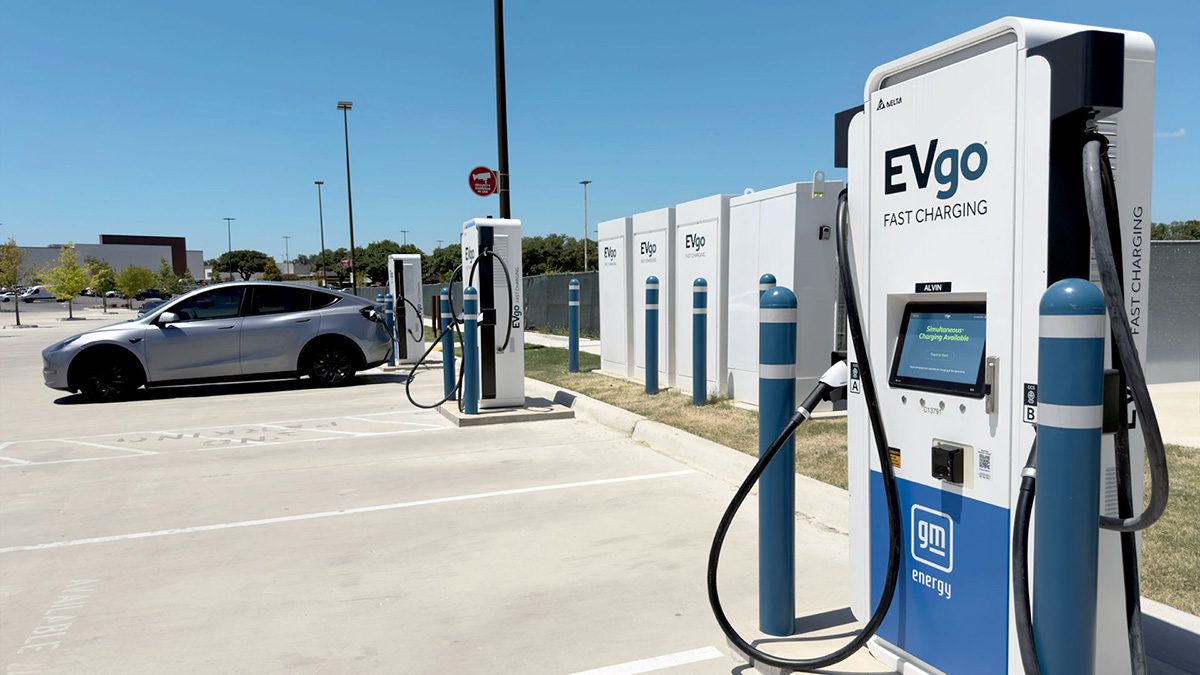
The widespread deployment of a Lucid robotaxi fleet, or any large EV fleet, carries significant implications for energy storage and grid infrastructure. The demand for charging will be substantial, requiring robust and accessible charging stations, potentially with fast-charging capabilities to minimize vehicle downtime. Beyond the sheer volume of electricity, the source of this energy is critical for maintaining the environmental credentials of an EV robotaxi service. Ideally, Lucid would aim to power its fleet using renewable energy sources. This could involve partnerships with renewable energy providers, investment in solar power installations for charging depots, or participation in programs that ensure renewable energy credits. The integration of such a large load into the existing grid will also necessitate careful planning to avoid strain on local power infrastructure and to ensure grid stability, potentially through smart charging solutions and vehicle-to-grid (V2G) technologies.
Challenges and Future Outlook
Lucid faces several challenges in its robotaxi endeavor, including scaling production to meet fleet demands, managing the high costs associated with autonomous technology development, and aligning demand with operational expansion. The competition is intense, and public perception of autonomous technology remains a critical factor. However, with its advanced EV platform and strategic partnerships, Lucid is well-positioned to become a significant player in the robotaxi market. Future priorities will likely include continued technological refinement, further expansion of operational design domains, and proactive engagement with regulatory bodies to facilitate broader deployment. Success will hinge on its ability to deliver a safe, reliable, and economically viable autonomous ride-hailing service that can effectively compete with both human-driven ride-shares and other autonomous offerings. The journey will be complex, but the potential rewards in transforming urban mobility are substantial.
For more detailed information on Lucid Motors’ broader vision and corporate updates, please refer to their official media releases.
FAQ: Lucid’s Robotaxi Strategy
Q: What is Lucid’s primary goal with its robotaxi strategy?
A: Lucid’s primary goal is to enter and significantly expand within the US robotaxi market, leveraging its advanced electric vehicle technology to offer autonomous ride-hailing services. This aims to compete directly with companies like Tesla and to capture a share of the growing autonomous mobility sector.
Q: Which companies is Lucid partnering with for its robotaxi services?
A: Lucid is reportedly partnering with Uber for ride-hailing services, Nuro for potential delivery integrations, and Oro Mobility (in conjunction with Hertz) for fleet management, charging infrastructure, and vehicle deployment.
Q: What level of autonomous driving technology will Lucid’s robotaxis use?
A: Lucid’s robotaxis are expected to utilize Level 4 autonomous driving technology, meaning the vehicles can operate independently without human intervention within specific operational design domains.
Q: What are the main challenges Lucid faces in deploying its robotaxi fleet?
A: Key challenges include navigating complex and varied state-level regulations, scaling vehicle production to meet fleet demands, managing high development and operational costs, and ensuring robust charging infrastructure and renewable energy sourcing.
Q: How will Lucid’s robotaxi strategy impact the broader EV and autonomous vehicle market?
A: Lucid’s entry is expected to intensify competition, potentially accelerating the development and adoption of autonomous ride-hailing technologies across the industry. It will also place greater demand on EV charging infrastructure and promote discussions around sustainable energy sourcing for large vehicle fleets.
Conclusion
Lucid Motors’ strategic move into the US robotaxi market marks a significant inflection point for the company and the broader autonomous vehicle industry. By combining its advanced electric vehicle platform with key partnerships and a focus on Level 4 autonomy, Lucid is positioning itself as a formidable contender against established players. While challenges related to regulation, infrastructure, and competition remain substantial, the potential for Lucid to redefine urban mobility through safe, efficient, and sustainable autonomous services is considerable. The success of its robotaxi initiative will not only bolster Lucid’s market presence but also contribute to the accelerating shift towards a more electrified and autonomous transportation future.

Elena Marsh is the editorial byline for VoltaicBox's coverage of solar, wind, hydrogen and grid-scale storage. Articles published under this byline are researched and edited by the VoltaicBox team, and link to their primary sources u2014 project filings, regulatory decisions and published energy data u2014 so readers can check the original for themselves.
More to Explore
Discover more content from our partner network.

Join the Conversation
0 CommentsLeave a Reply