BYD Grows Philippine EV Market with Double Model Launch and Sealion 6 Milestone
Explore the BYD EV launch Philippines—Sealion 6 milestone, Atto 3 price, EV incentives, and ownership insights. Discover why it matters today.
 verified
BYD, a global leader in electric vehicle (EV) manufacturing, has significantly expanded its footprint in the Philippine market with the dual launch of the BYD Atto 2 and the BYD Seal 5 DM-i. This strategic move, coinciding with the official unveiling of the BYD Sealion 6 plug-in hybrid SUV, underscores the company’s commitment to accelerating EV adoption in Southeast Asia. The simultaneous introduction of these models marks a pivotal moment for the Philippine EV landscape, offering consumers more diverse and accessible options as the nation increasingly embraces sustainable transportation.
- BYD’s launch of the Atto 2 and Seal 5 DM-i, alongside the Sealion 6, significantly diversifies the Philippine EV market, offering more choices across different segments.
- The introduction of both a full electric vehicle and a plug-in hybrid addresses varied consumer needs and infrastructure readiness in the Philippines.
- These new models underscore BYD’s aggressive expansion strategy in Southeast Asia, leveraging a comprehensive product line-up to drive market penetration.
- The move is expected to stimulate greater EV adoption in the Philippines, supported by existing government incentives and a growing charging infrastructure, though challenges remain.
BYD Expands Its Philippine EV Portfolio
The recent launch event, orchestrated by BYD’s official distributor in the Philippines, AC Motors, signals a robust expansion of the brand’s electric and plug-in hybrid offerings. This strategic move is not merely about introducing new vehicles; it is about cementing BYD’s position as a dominant force in the rapidly evolving Philippine EV sector, providing consumers with a wider array of sustainable mobility solutions.
The BYD Atto 2: A New Electric Hatchback
The BYD Atto 2, known as the Yuan UP in other markets, enters the Philippine market as a compact electric hatchback. Designed to appeal to urban drivers and those seeking an efficient daily commuter, the Atto 2 is expected to offer a compelling blend of range, performance, and modern features. Its introduction provides a more accessible entry point into the BYD EV ecosystem, potentially lowering the barrier to entry for first-time EV buyers in the Philippines. While specific range figures for the Philippine market are yet to be finalized, global versions of this platform often boast competitive ranges suitable for city driving and inter-city commutes, powered by BYD’s proprietary Blade Battery technology known for its safety and longevity.
The BYD Seal 5 DM-i: A Plug-in Hybrid Sedan
Complementing the fully electric Atto 2 is the BYD Seal 5 DM-i, a plug-in hybrid electric vehicle (PHEV) sedan. The Seal 5 DM-i is particularly strategic for the Philippine market, offering a bridge for consumers who may still have range anxiety or limited access to extensive charging infrastructure. Its dual powertrain—combining an efficient internal combustion engine with an electric motor and battery pack—provides the flexibility of electric-only driving for shorter trips and the assurance of gasoline power for longer journeys. This model is expected to appeal to a broader segment of the market, including those transitioning from conventional vehicles who desire the benefits of electrification without fully committing to a purely battery-electric vehicle.
The BYD Sealion 6: Plug-in Hybrid SUV
The BYD Sealion 6, officially launched alongside the Atto 2 and Seal 5 DM-i, represents BYD’s robust entry into the increasingly popular SUV segment with a plug-in hybrid offering. This model is critical for BYD’s strategy, as SUVs continue to dominate vehicle sales globally and in the Philippines. The Sealion 6 combines the practicality and spaciousness of an SUV with the fuel efficiency and lower emissions of a PHEV. It is expected to feature BYD’s advanced DM-i (Dual Mode intelligent) hybrid technology, which prioritizes electric drive and offers impressive fuel economy while ensuring ample power for various driving conditions. Its presence offers a versatile option for families and individuals seeking a larger, more capable vehicle that aligns with sustainable transportation goals. More information can be found on BYD Philippines’ official website.
Philippine EV Market Context and Incentives
The Philippines has been actively working to foster an environment conducive to EV adoption. The Electric Vehicle Industry Development Act (EVIDA) is a cornerstone of this effort, providing a framework for policy support, incentives, and infrastructure development. Under EVIDA, various incentives are available, including tax breaks for imported EVs and components, as well as non-fiscal incentives such as dedicated parking slots and priority in registration. These policies aim to reduce the initial cost of EVs and alleviate some of the operational concerns for potential buyers. The government also mandates the development of charging infrastructure, urging establishments and fuel stations to integrate EV charging facilities. Further details on these incentives can be found on the Board of Investments (BOI) website.
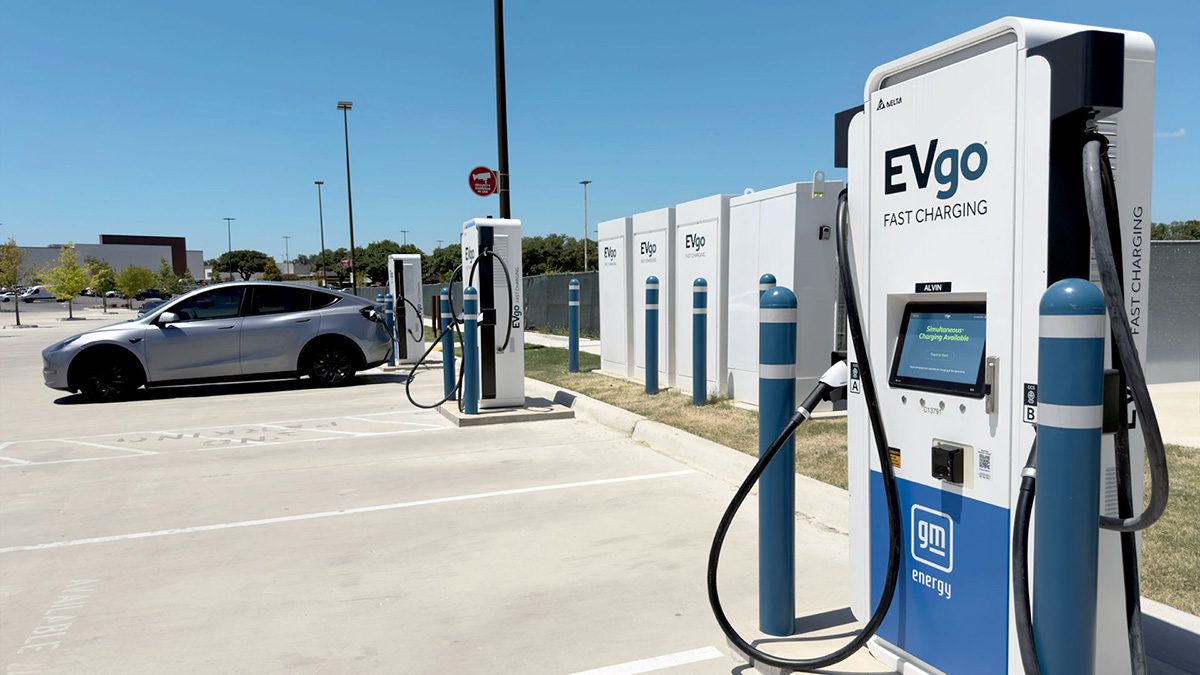
Despite these efforts, the EV market in the Philippines is still in its nascent stages compared to more mature markets. However, the trajectory is clearly upwards, with increasing consumer awareness and a growing number of charging stations, albeit primarily concentrated in urban centers. This growth is also mirrored in other Asian markets, as detailed in our coverage of Asian gas station EV charging infrastructure.
Addressing EV Adoption Barriers in the Philippines
While the introduction of new models like the BYD Atto 2 and Seal 5 DM-i is positive, several barriers continue to influence EV adoption in the Philippines. Primary among these are the higher upfront cost of EVs compared to traditional internal combustion engine (ICE) vehicles, range anxiety due to perceived limitations in charging infrastructure, and a lack of widespread consumer understanding about EV technology and ownership benefits. The limited availability of charging stations outside major cities remains a concern, though initiatives are underway to expand the network.
To mitigate these concerns, BYD and its partners are likely to focus on educating consumers about the long-term cost savings associated with EVs, including lower fuel and maintenance costs. The inclusion of PHEVs like the Seal 5 DM-i directly addresses range anxiety, offering a practical stepping stone for consumers hesitant to commit to a full EV. Furthermore, partnerships with local businesses and property developers to install more charging points will be crucial for broader market penetration.
The Ownership Experience: Costs and Benefits
Owning a BYD EV in the Philippines comes with a distinct set of costs and benefits. While the initial purchase price might be higher, government incentives can offset a portion of this. Operational costs are generally lower; electricity is significantly cheaper per kilometer than gasoline, and EVs typically require less frequent and less extensive maintenance due to fewer moving parts. Regenerative braking, for instance, reduces wear on brake pads, leading to longer replacement intervals.
Owners often report a quieter, smoother driving experience and the convenience of “fueling” at home overnight. The environmental benefits, such as reduced air pollution, also appeal to a growing segment of environmentally conscious consumers. While specific user testimonials for the Atto 2 and Seal 5 DM-i are still emerging in the Philippines, existing BYD owners frequently highlight the reliability and advanced technology of their vehicles. However, prospective buyers must consider the cost of home charging infrastructure installation and the availability of public charging near their regular routes.
The Broader Picture: BYD’s Strategy and Market Impact
BYD’s aggressive expansion in the Philippines, exemplified by this double model launch and the Sealion 6 unveiling, is part of a larger global strategy to become a dominant player in the new energy vehicle (NEV) market. The company is not just selling cars; it is building an ecosystem that includes battery technology, charging solutions, and a robust sales and service network. This comprehensive approach differentiates BYD from many competitors and positions it for sustained growth.
In the Philippine context, BYD’s move is particularly impactful. By offering a diverse range of EVs and PHEVs, from compact hatchbacks to family SUVs, BYD is catering to a broad spectrum of consumer needs and preferences. This strategy is crucial in a developing market where tastes and budgets vary significantly. The introduction of the Seal 5 DM-i, a PHEV, is especially astute, as it provides a practical solution for consumers who are intrigued by electrification but still require the flexibility of traditional fueling options, bridging the gap to full EV adoption.
Moreover, BYD’s commitment to localization and strong partnerships with local distributors like AC Motors is vital for long-term success. A reliable sales and after-sales service network is paramount for building consumer confidence in a nascent EV market. This expansion aligns with broader global trends where established automotive markets are rapidly transitioning to electric, and emerging markets like the Philippines are poised for significant growth, as discussed in our analysis of the New Zealand EV market.
Expert Outlook and Market Competition
Industry experts view BYD’s latest launches as a significant catalyst for the Philippine EV market. The increased competition from a major global player like BYD is expected to drive innovation, improve pricing strategies across the board, and ultimately benefit consumers through more choices and better value. The presence of a wide range of EV models from various manufacturers, including Xpeng’s expansion, as noted in our coverage of Xpeng Philippines, will create a more dynamic and competitive landscape.
BYD faces competition from both established global automakers entering the EV space and other dedicated EV manufacturers. Brands like Tesla, Hyundai, Kia, and various Chinese EV startups are all vying for market share. BYD’s competitive edge often lies in its vertically integrated supply chain, allowing for greater control over battery production (its Blade Battery is a key differentiator) and overall cost efficiency. Its strategy of offering both full EVs and PHEVs also provides a tactical advantage in markets with varying levels of charging infrastructure development. For a broader overview of the competitive landscape, an article by AutoDeal Philippines provides context on BYD’s overall lineup.
FAQ: About BYD EVs in the Philippines
- What is the BYD Atto 2?
- The BYD Atto 2 is a new fully electric compact hatchback introduced by BYD in the Philippine market, designed for urban commuting and efficient daily driving.
- What is the BYD Seal 5 DM-i?
- The BYD Seal 5 DM-i is a plug-in hybrid electric vehicle (PHEV) sedan launched in the Philippines. It combines an electric motor with a gasoline engine, offering both electric-only range and the flexibility of traditional fueling.
- What is the BYD Sealion 6?
- The BYD Sealion 6 is a plug-in hybrid SUV that was officially unveiled alongside the Atto 2 and Seal 5 DM-i, offering a practical and eco-friendly option in the popular SUV segment.
- Are there incentives for buying EVs in the Philippines?
- Yes, the Philippines offers incentives under the Electric Vehicle Industry Development Act (EVIDA), which include tax breaks and other non-fiscal benefits for EV owners.
- What are the main benefits of owning a BYD EV?
- Benefits include lower operating costs (cheaper electricity than gasoline), reduced maintenance requirements, a quieter and smoother driving experience, and environmental advantages due to zero or reduced tailpipe emissions.
- Where can I charge a BYD EV in the Philippines?
- Charging infrastructure is growing, with stations available in major urban centers and increasingly at commercial establishments. Home charging solutions are also widely available for convenience.
Conclusion
BYD’s significant expansion in the Philippine EV market with the Atto 2, Seal 5 DM-i, and Sealion 6 marks a pivotal moment for the country’s transition to sustainable transportation. By offering a diverse range of electric and plug-in hybrid vehicles, BYD is effectively addressing various consumer needs and market segments. This strategic move, supported by government incentives and a growing charging infrastructure, is poised to accelerate EV adoption, foster competition, and ultimately contribute to a greener automotive future in the Philippines. As BYD continues to innovate and expand its presence, the long-term implications for both the local market and the broader Southeast Asian region are substantial, promising an exciting period of growth and transformation in the clean energy vehicle sector.

Elena Marsh is the editorial byline for VoltaicBox's coverage of solar, wind, hydrogen and grid-scale storage. Articles published under this byline are researched and edited by the VoltaicBox team, and link to their primary sources u2014 project filings, regulatory decisions and published energy data u2014 so readers can check the original for themselves.
More to Explore
Discover more content from our partner network.


Join the Conversation
0 CommentsLeave a Reply