Asian Gas Station EV Charging Drives Infrastructure Upgrades
Explore how Asian gas station EV charging sparks major infrastructure upgrades, policy shifts, and innovation in Asia’s energy and mobility landscape…
 verified
Introduction
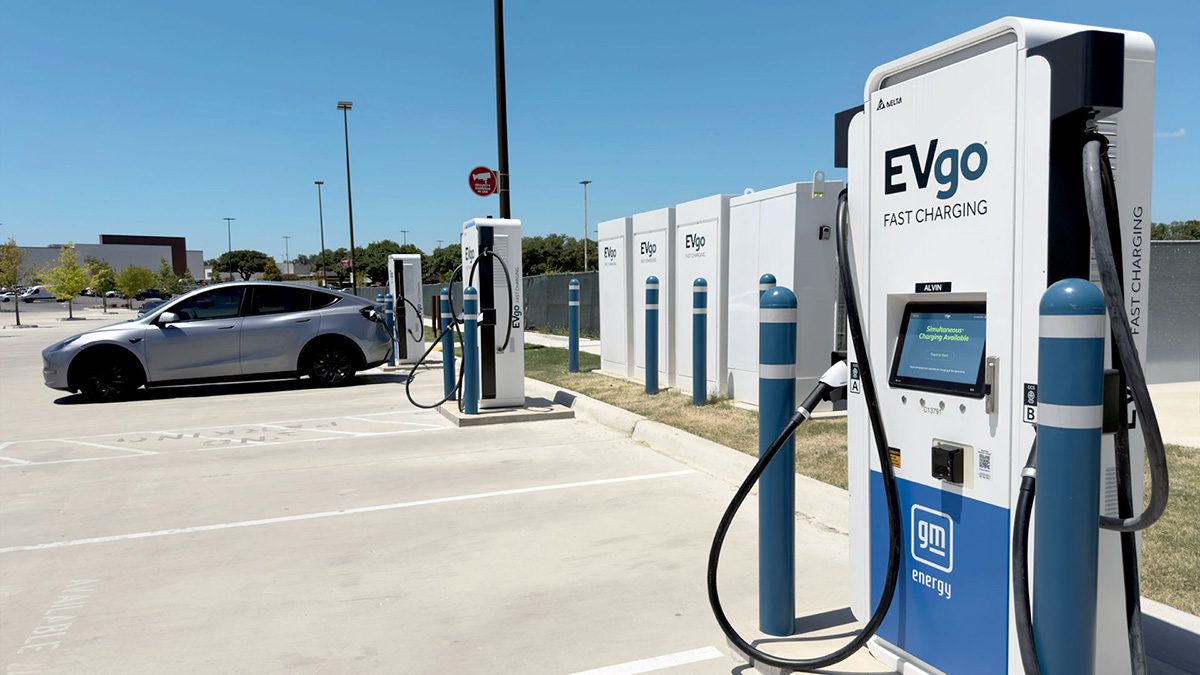
The landscape of transportation in Asia is undergoing a profound transformation as electric vehicles (EVs) increasingly gain traction. A critical aspect of this shift involves the evolution of existing infrastructure, particularly the adaptation of traditional gas stations into EV charging hubs. This strategic transition, driven by both burgeoning EV adoption and concerted efforts from energy companies and automakers, is pivotal for accelerating the clean energy transition across the continent. Asian gas station EV charging is not merely an amenity; it represents a fundamental rethinking of fuel infrastructure, integrating advanced charging technologies, renewable energy sources, and sophisticated operational models to meet the demands of a rapidly electrifying vehicle fleet. This article explores the innovative approaches being taken, the challenges faced, and the broader implications for the future of sustainable mobility in Asia.
- Traditional gas stations in Asia are rapidly converting into EV charging hubs, marking a significant infrastructure pivot.
- Strategic collaborations between national energy companies and global automakers are accelerating the deployment of high-power charging networks.
- These new charging stations often integrate renewable energy solutions, contributing to a greener energy grid and reducing carbon footprints.
- The transition involves overcoming substantial challenges, including grid readiness, financing, and public perception, but offers immense opportunities for sustainable urban development and energy independence.
The Pivot from Petrol to Power
For decades, gas stations have been ubiquitous symbols of personal mobility, providing the necessary infrastructure for internal combustion engine (ICE) vehicles. With the global push towards decarbonization and the subsequent rise of EVs, these stations are now at the forefront of a monumental energy transition. In Asia, this shift is particularly pronounced due given the region’s high population density, rapid urbanization, and proactive governmental policies supporting EV adoption. The conversion of gas stations into EV charging facilities leverages existing prime locations, land ownership, and utility connections, offering a pragmatic pathway to expand charging networks efficiently. This adaptation minimizes the need for entirely new land acquisition, a significant advantage in densely populated urban centers, and capitalizes on consumer familiarity with these sites for refueling stops.
Evolving Infrastructure Demands
The requirements for EV charging infrastructure differ significantly from those for petrol. While traditional pumps dispense liquid fuel in minutes, EV charging times can vary widely, from rapid 15-30 minute charges for high-power DC fast chargers to several hours for slower AC chargers. This necessitates a rethink of station design, incorporating waiting areas, amenities, and often, multiple charging bays to accommodate diverse user needs and charging speeds. Furthermore, the electrical grid infrastructure needs substantial upgrades to handle the increased power demand. Many existing gas stations may require significant investment in transformer upgrades and grid connections to support multiple high-power EV chargers simultaneously, posing a considerable engineering and financial challenge. The National Renewable Energy Laboratory (NREL) has highlighted the importance of renewable integration at fueling stations to enhance sustainability and grid resilience.
The Role of Automakers and Energy Giants
The transition is largely being driven by strategic alliances between major automakers and national energy companies. Automakers like NIO and Xpeng, for instance, are not just producing EVs but are also heavily investing in charging infrastructure, including innovative battery swap stations and extensive fast-charging networks. Their involvement ensures compatibility, reliability, and a seamless user experience, which is crucial for consumer confidence. For instance, NIO’s focus on 5th-gen battery swap and Firefly EV infrastructure exemplifies an alternative model to traditional charging. Similarly, Xpeng’s expansion into markets like the Philippines, as detailed in Xpeng Philippines, Mona renewable energy expansion, underscores the importance of renewable integration in their infrastructure development. These collaborations extend beyond mere financial investment, often encompassing joint ventures in technology development, standardization efforts, and even marketing to promote the broader adoption of EVs.
On the other side, national oil and gas companies, facing a future with declining fossil fuel demand, are diversifying their business models by transforming their vast network of stations into clean energy hubs. Companies such as Sinopec in China, SK Energy in South Korea, and Petronas in Malaysia are actively deploying EV chargers, often integrating solar panels and battery storage solutions to offer greener charging options. This proactive approach not only future-proofs their assets but also positions them as key players in the new energy economy.
Asian Market Dynamics and Case Studies
Asia’s diverse economies present a fascinating array of approaches to EV charging infrastructure development. Countries with strong governmental support and high EV penetration rates are leading the charge, while others are gradually catching up. The International Energy Agency’s Global EV Outlook 2023 highlights Asia’s dominant role in the global EV market, with China alone accounting for a significant share of EV sales and charging infrastructure.
South Korea’s Proactive Approach
South Korea stands out for its aggressive push to integrate EV charging into urban environments, including gas stations. Major energy companies like SK Energy and GS Caltex have embarked on ambitious plans to convert their existing petrol stations into comprehensive energy platforms, offering not just EV charging but also hydrogen refueling, renewable energy generation, and even urban logistics hubs. SK Energy, for example, aims to transform a significant portion of its 3,000 gas stations into “energy super stations” by 2030, equipped with high-speed EV chargers powered by renewable sources. This strategy not only caters to the growing number of EV owners but also repurposes valuable urban real estate, creating multifunctional service centers for communities. This proactive stance is mirrored by strong governmental incentives and regulatory frameworks designed to accelerate the transition.
Japan and Singapore’s Strategic Shifts
Japan, a pioneer in hybrid technology, is now intensifying its efforts in pure EVs. While its initial focus was on hydrogen, there’s a growing recognition of the need for robust EV charging infrastructure. Companies like Eneos are actively exploring the integration of EV charging points at their extensive network of service stations, often in collaboration with local municipalities. Singapore, known for its smart city initiatives, is also making significant strides. With limited land availability, the conversion of existing petrol kiosks into efficient, high-density charging hubs is a pragmatic solution. The government, in partnership with private sector players, is actively promoting the deployment of EV chargers at strategic locations, including public car parks, commercial buildings, and, increasingly, former petrol stations, focusing on smart charging solutions and grid optimization.
What This Means for the Future of Mobility
The adaptation of gas stations for EV charging carries profound implications for the future of mobility, extending beyond mere infrastructure provision. It signifies a tangible commitment to sustainable transportation and a fundamental shift in how societies power their vehicles. This transformation can reduce range anxiety, a significant barrier to EV adoption, by making charging as accessible and convenient as refueling a petrol car once was. Moreover, the integration of renewable energy sources, such as solar carports and battery storage, at these converted stations transforms them into decentralized energy hubs, contributing to grid stability and energy independence. This decentralized model can alleviate pressure on the central grid, particularly during peak demand, and offers opportunities for innovative energy management strategies, including vehicle-to-grid (V2G) capabilities, where EVs can feed power back into the grid when needed.
From a consumer perspective, this evolution promises a more seamless and enjoyable EV ownership experience. Drivers will benefit from familiar locations, often equipped with additional amenities like retail stores and rest areas, enhancing the convenience of long-distance travel. The competitive landscape among charging providers is also likely to intensify, potentially leading to more competitive pricing and diverse service offerings. For policy makers, the successful integration of EV charging into existing infrastructure offers a template for accelerating the decarbonization of transport, reducing urban air pollution, and meeting climate targets. The lessons learned from Asian countries, with their unique demographic and geographical challenges, can provide valuable insights for other regions embarking on similar transitions.
Challenges and Opportunities
While the transition offers immense opportunities, it is not without its challenges. Grid readiness is a primary concern. The existing electrical infrastructure in many areas may not be sufficient to handle the concentrated power demand of multiple fast chargers, necessitating significant investments in grid upgrades. The financial models for these conversions also require careful consideration, as the return on investment for EV charging can differ from traditional petrol sales. Operator training is another critical aspect; station personnel need to be educated on EV charging technologies, safety protocols, and customer service for EV drivers.
However, the opportunities far outweigh the challenges. The transition opens new revenue streams for energy companies and station operators, from charging fees to enhanced retail sales at revamped service centers. It fosters innovation in smart charging technologies, energy management systems, and battery storage solutions. Moreover, it contributes directly to national and global climate goals, positioning Asia as a leader in the clean energy transition. The ongoing recovery and growth in EV markets, as seen in reports such as the New Zealand EV Market Recovery Trends, underscore the global momentum and the critical need for robust charging infrastructure. The Global EV Outlook also provides further analysis on charging infrastructure development worldwide.
FAQ
- What is Asian gas station EV charging?
- It refers to the strategic conversion and upgrade of traditional petrol stations across Asia to include electric vehicle charging points, often integrating renewable energy sources and advanced charging technologies.
- Why are gas stations being converted into EV charging hubs?
- Gas stations offer prime locations, existing land, and utility connections, making them ideal for rapid deployment of EV charging infrastructure. This leverages existing assets and accelerates the expansion of charging networks, addressing range anxiety for EV owners.
- What are the main challenges in this transition?
- Key challenges include upgrading existing electrical grid infrastructure to handle increased power demand, developing viable financial models for EV charging services, and training station personnel on new technologies and customer service for EVs.
- What role do automakers play in this development?
- Automakers are crucial partners, investing in charging networks, ensuring compatibility with their vehicles, and often collaborating with energy companies to develop seamless user experiences, including innovative solutions like battery swap stations.
- How does this transition benefit the environment?
- By integrating renewable energy sources like solar power at charging stations, and facilitating the broader adoption of EVs, this transition significantly reduces reliance on fossil fuels, lowers greenhouse gas emissions, and improves urban air quality.
Conclusion
The transformation of Asian gas stations into advanced EV charging hubs is more than just an infrastructure upgrade; it is a fundamental shift in the energy landscape of transportation. This strategic pivot, driven by collaborative efforts between national energy giants and innovative automakers, is critical for fostering widespread EV adoption and achieving ambitious decarbonization goals. While challenges remain, particularly concerning grid integration and financial models, the proactive measures being taken across countries like South Korea, Japan, and Singapore demonstrate a clear path forward. As these nations continue to innovate and expand their charging networks, the Asian model for gas station EV charging will likely serve as a crucial blueprint for global sustainable mobility, paving the way for a cleaner, more electrified future.
Source: Original article based on industry analysis and trends.

Elena Marsh is the editorial byline for VoltaicBox's coverage of solar, wind, hydrogen and grid-scale storage. Articles published under this byline are researched and edited by the VoltaicBox team, and link to their primary sources u2014 project filings, regulatory decisions and published energy data u2014 so readers can check the original for themselves.
More to Explore
Discover more content from our partner network.


Join the Conversation
0 CommentsLeave a Reply