
- Zoox, an Amazon subsidiary, has launched its paid robotaxi service, transitioning from test operations to commercial availability and intensifying competition in the autonomous vehicle sector.
- The service, initially available to employees in Foster City, California, utilizes Zoox’s purpose-built autonomous vehicle, which lacks traditional controls like a steering wheel or pedals.
- This move signals a critical step in the wider adoption of self-driving technology, pushing the industry closer to mainstream commercialization and offering a glimpse into future urban mobility.
- Zoox’s entry into the paid service market places it in direct competition with established players like Waymo and Cruise, highlighting the ongoing race to scale and refine autonomous transportation solutions.
The landscape of urban transportation is undergoing a profound transformation, with autonomous vehicle companies steadily moving from ambitious visions to tangible commercial services. In a significant development for the sector, Zoox, the autonomous vehicle subsidiary of Amazon, has officially launched its paid robotaxi service. This milestone, initially rolled out to employees in Foster City, California, marks a critical juncture for the company and the broader autonomous vehicle industry, signaling a tangible step towards widespread commercialization of self-driving technology.
Zoox’s Path to Commercialization
Founded in 2014, Zoox has long been a notable player in the autonomous vehicle space, distinguishing itself by developing a purpose-built, bidirectional robotaxi designed for urban environments. Unlike many competitors that adapt existing vehicles with self-driving technology, Zoox committed to an integrated approach, controlling both the hardware and software from the ground up. This strategy culminated in the unveiling of its unique vehicle in late 2020, followed by extensive testing across multiple cities, including Foster City, San Francisco, and Las Vegas.
The journey to commercialization has been methodical, focusing on rigorous testing and validation of its autonomous driving system in complex urban scenarios. Zoox secured a permit from the California Department of Motor Vehicles (DMV) in 2023 to offer autonomous vehicle services to the public, a crucial regulatory hurdle. This permit allowed the company to move beyond employee-only test rides, paving the way for the current paid service launch. The transition from free employee rides to a paid service represents a strategic shift, demonstrating confidence in the system’s reliability and readiness for commercial operations.
The Purpose-Built Vehicle
Central to Zoox’s offering is its innovative robotaxi, an electric vehicle designed from the ground up for autonomous operation. This vehicle features a symmetrical design, allowing it to travel in either direction without needing to turn around, enhancing maneuverability in dense urban settings. It offers a spacious interior with face-to-face seating for four passengers, deliberately omitting traditional controls such as a steering wheel or pedals. This design philosophy underscores the company’s vision of a fully autonomous future, where human intervention is no longer required for basic vehicle operation. The vehicle is equipped with a comprehensive suite of sensors, including cameras, radar, and lidar, providing a 360-degree view of its surroundings and enabling advanced environmental perception and decision-making.
The Paid Service Unveiled
The launch of Zoox’s paid robotaxi service signifies a pivotal moment, not just for the company but for the autonomous vehicle industry at large. Initially, the service is available to Zoox employees within a defined operational domain in Foster City, California. This phased rollout is a common strategy in the autonomous vehicle sector, allowing companies to refine their services, collect real-world data, and scale operations gradually within controlled environments before expanding to a broader public. While specific pricing details for the employee service have not been publicly disclosed, its transition to a paid model indicates Zoox’s intent to establish a sustainable business model for its robotaxi operations.
Initial Rollout and Operational Details
The Foster City service operates on a fixed route within the company’s campus and surrounding areas. Passengers can summon a Zoox robotaxi using a dedicated mobile application, similar to ride-hailing services. The app facilitates booking, tracking the vehicle’s arrival, and managing payment. The operational hours and service area are currently limited but are expected to expand as the company gathers more data and refines its algorithms. This controlled environment allows Zoox to meticulously monitor the system’s performance, identify potential challenges, and implement improvements in real-time, ensuring a high standard of safety and reliability before a wider public launch.
Industry and Competitive Landscape
Zoox’s entry into the paid robotaxi market intensifies the competitive landscape, where several well-funded companies are vying for market share. Waymo, a subsidiary of Alphabet, and Cruise, formerly a General Motors subsidiary, are perhaps the most prominent competitors. Waymo has been operating paid autonomous ride-hailing services in Phoenix, Arizona, for several years and has expanded to cities like San Francisco. Cruise has also deployed its services in San Francisco and other locations, though it has faced recent operational challenges and a temporary suspension of its California permit.
Other players, such as Motional (a joint venture between Hyundai and Aptiv) and Argo AI (which ceased operations), have also contributed to the rapid evolution of this sector. Tesla, while focused on its “Full Self-Driving” (FSD) software for consumer vehicles, also has aspirations for a robotaxi network. The robotaxi challenge is heating up, with companies adopting different strategies—from Waymo’s incremental expansion with modified traditional vehicles to Zoox’s purpose-built approach. The key to success lies not only in technological prowess but also in navigating complex regulatory environments, ensuring public acceptance, and establishing scalable, cost-effective operations.
Comparing Strategies and Challenges
The competition among robotaxi providers highlights varied approaches to market entry and technological development. Waymo has emphasized a gradual, safety-first expansion, building extensive operational experience in diverse environments. Cruise initially pursued an aggressive expansion strategy but has recently scaled back operations following safety incidents. Zoox, with its Amazon backing, has taken a more vertically integrated approach, designing both the vehicle and the AI. Each strategy presents unique advantages and challenges. Waymo’s extensive mileage data and established operational footprint provide a significant lead, while Zoox’s custom vehicle offers potential long-term efficiency and passenger experience benefits. The path forward for all players involves continuous refinement of their AI, robust safety protocols, and effective public engagement to build trust and acceptance.
Regulatory and Safety Considerations
The deployment of autonomous vehicles, particularly those operating without human safety drivers, necessitates a robust regulatory framework. Regulatory bodies like the National Highway Traffic Safety Administration (NHTSA) in the United States play a critical role in establishing safety standards and guidelines. State-level regulators, such as the California Department of Motor Vehicles and the California Public Utilities Commission (CPUC), are responsible for granting permits and overseeing commercial operations.
Safety is paramount in the autonomous vehicle industry, and companies like Zoox invest heavily in extensive testing, simulation, and real-world data collection to ensure their systems operate reliably and safely. However, incidents involving autonomous vehicles, even minor ones, often draw significant public scrutiny and can impact regulatory decisions. The industry is under constant pressure to demonstrate a safety record that equals or surpasses human-driven vehicles. As autonomous services expand, regulators face the complex task of balancing innovation with public safety, often adapting existing laws or creating new ones to address the unique challenges posed by self-driving technology. The careful navigation of these regulatory waters is essential for the sustained growth and public acceptance of robotaxi services.
What This Means for the Future of Mobility
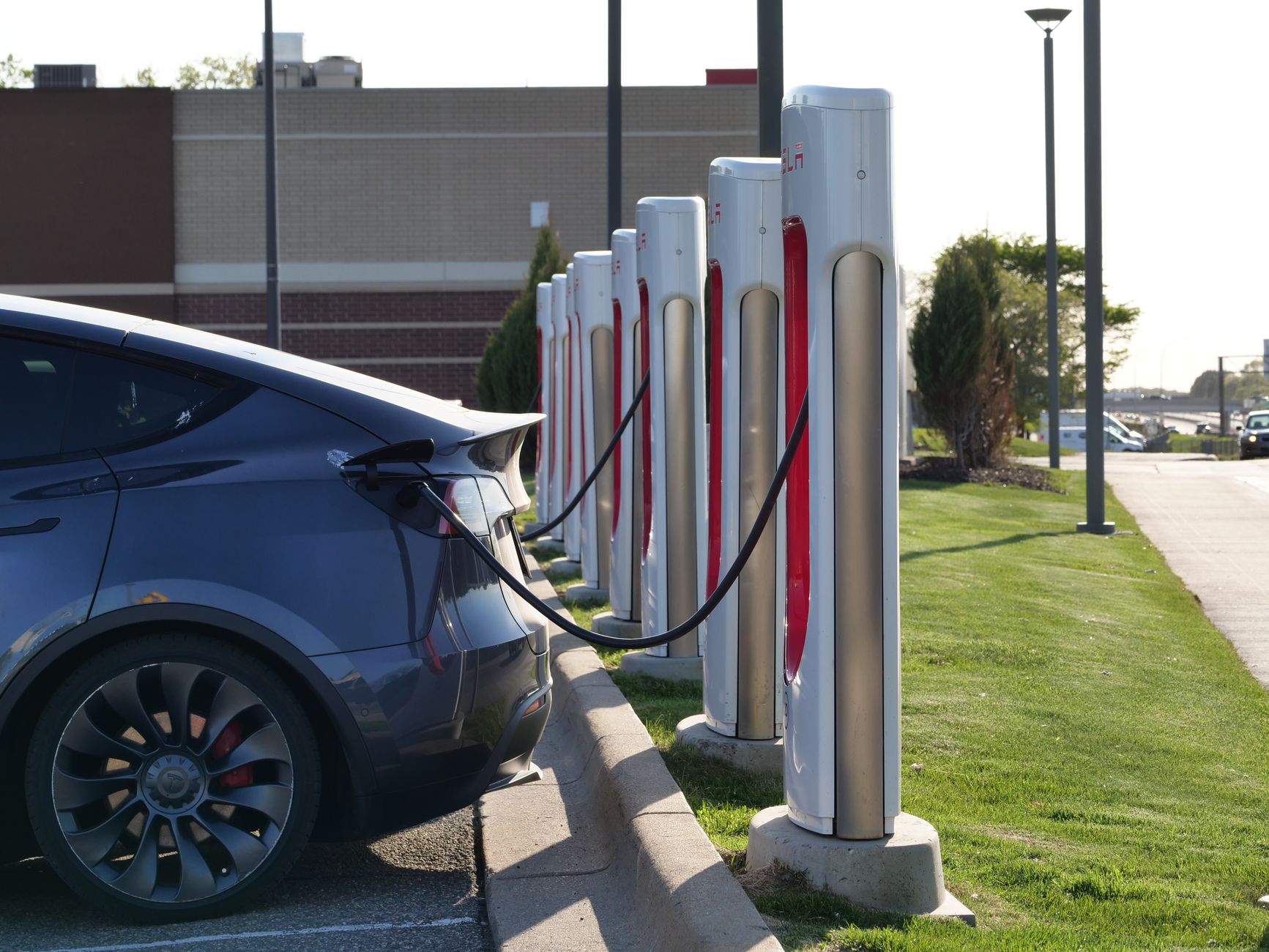
Zoox’s transition to a paid robotaxi service is more than just a company milestone; it represents a significant step forward in the broader evolution of urban mobility. The commercialization of autonomous ride-hailing services has profound implications for how people travel, how cities are designed, and the energy infrastructure that supports them. As companies like Zoox, Waymo, and Cruise expand their operations, we can anticipate a gradual shift away from private car ownership in urban centers, potentially reducing traffic congestion, parking demand, and carbon emissions. This shift will also drive demand for robust EV charging infrastructure, creating new opportunities for solar energy and energy storage solutions to power these growing fleets.
The implications extend to the economic landscape, potentially disrupting traditional taxi and ride-hailing services while creating new jobs in areas like fleet maintenance, remote monitoring, and software development. The success of robotaxi services also hinges on public trust and acceptance, which will be built through consistent safe operation and transparent communication. As more cities embrace or pilot these services, the data collected will be invaluable for urban planners and policymakers to integrate autonomous vehicles into existing transportation networks, leading to smarter, more efficient, and potentially more equitable mobility options.
Customer Impact and Future Outlook
For potential customers, the emergence of Zoox’s paid service signifies increased choice and potentially greater convenience in urban transportation. The promise of a reliable, on-demand, and driverless ride could transform daily commutes and leisure travel. While initial services are often geographically limited and may face initial skepticism, the long-term vision is a seamless, cost-effective, and safe alternative to private car ownership and traditional taxis. However, concerns about accessibility for all users, data privacy, and the human element of driving will need to be addressed as these services scale.
Looking ahead, Zoox is expected to gradually expand its operational design domain (ODD) and service areas, moving beyond employee-only rides to public availability in Foster City and eventually other major metropolitan areas. The company’s deep pockets, backed by Amazon, provide a significant advantage in the capital-intensive race to scale autonomous technology. Future plans will likely include optimizing the charging infrastructure for its electric fleet, further refining its AI to handle increasingly complex driving scenarios, and exploring partnerships to accelerate market penetration. The continued growth of the robotaxi industry, as evidenced by Zoox’s latest move, suggests a future where autonomous vehicles play a fundamental role in urban mobility, contributing to cleaner, more efficient, and potentially safer transportation systems. The commercial success and broad adoption of these services will also depend on how effectively companies address regulatory hurdles, public perception, and the significant technological challenges that still lie ahead. As the global EV market continues to expand, with regions like Latin America seeing significant growth, the demand for sophisticated, autonomous transport solutions will only intensify.
FAQ: Zoox Robotaxi Service
- What is the Zoox robotaxi service?
- The Zoox robotaxi service is a paid autonomous ride-hailing offering that utilizes Zoox’s purpose-built electric vehicles. These vehicles are designed for fully autonomous operation without a steering wheel or pedals, offering on-demand transportation.
- Where is the Zoox paid service currently available?
- Initially, the paid service is available to Zoox employees within a specific operational domain in Foster City, California. The company plans to expand its service areas in the future.
- How does the Zoox robotaxi compare to traditional ride-hailing?
- The primary difference is the absence of a human driver. Zoox vehicles are fully autonomous, relying on advanced AI and sensor technology to navigate and operate safely. Passengers interact with the service through a mobile app for booking and managing rides.
- Is the Zoox robotaxi safe?
- Zoox emphasizes safety through extensive testing, simulation, and real-world operations. The vehicles are equipped with multiple redundant systems and a comprehensive sensor suite to ensure safe operation. The service is launched under regulatory permits that ensure a baseline of safety standards.
- When will the Zoox service be available to the general public?
- While currently limited to employees, Zoox aims to expand its service to the general public in Foster City and potentially other cities in the future. The timeline for public availability will depend on ongoing testing, regulatory approvals, and operational scaling.
Conclusion
The launch of Zoox’s paid robotaxi service marks a significant inflection point in the journey towards widespread autonomous mobility. By moving beyond test operations into a commercial model, Zoox, backed by Amazon, demonstrates growing confidence in its technology and a clear ambition to become a major player in the evolving transportation landscape. This development not only intensifies competition within the robotaxi sector but also brings the promise of driverless urban transportation closer to reality for consumers. As the industry continues to mature, the focus will remain on safety, scalability, and the seamless integration of autonomous vehicles into the fabric of urban life, ultimately reshaping how we move within our cities.
For more insights into the clean energy and EV sector, subscribe to voltaicbox.com’s newsletter for the latest updates and analyses.


Join the Conversation
0 CommentsLeave a Reply