Fraunhofer ISE Advances Cost-Effective Silicon PV Modules for Satellites
Explore how silicon PV modules for satellites by Fraunhofer ISE and Source Energy cut costs and outperform traditional solar cell materials. Learn mo…
 verified
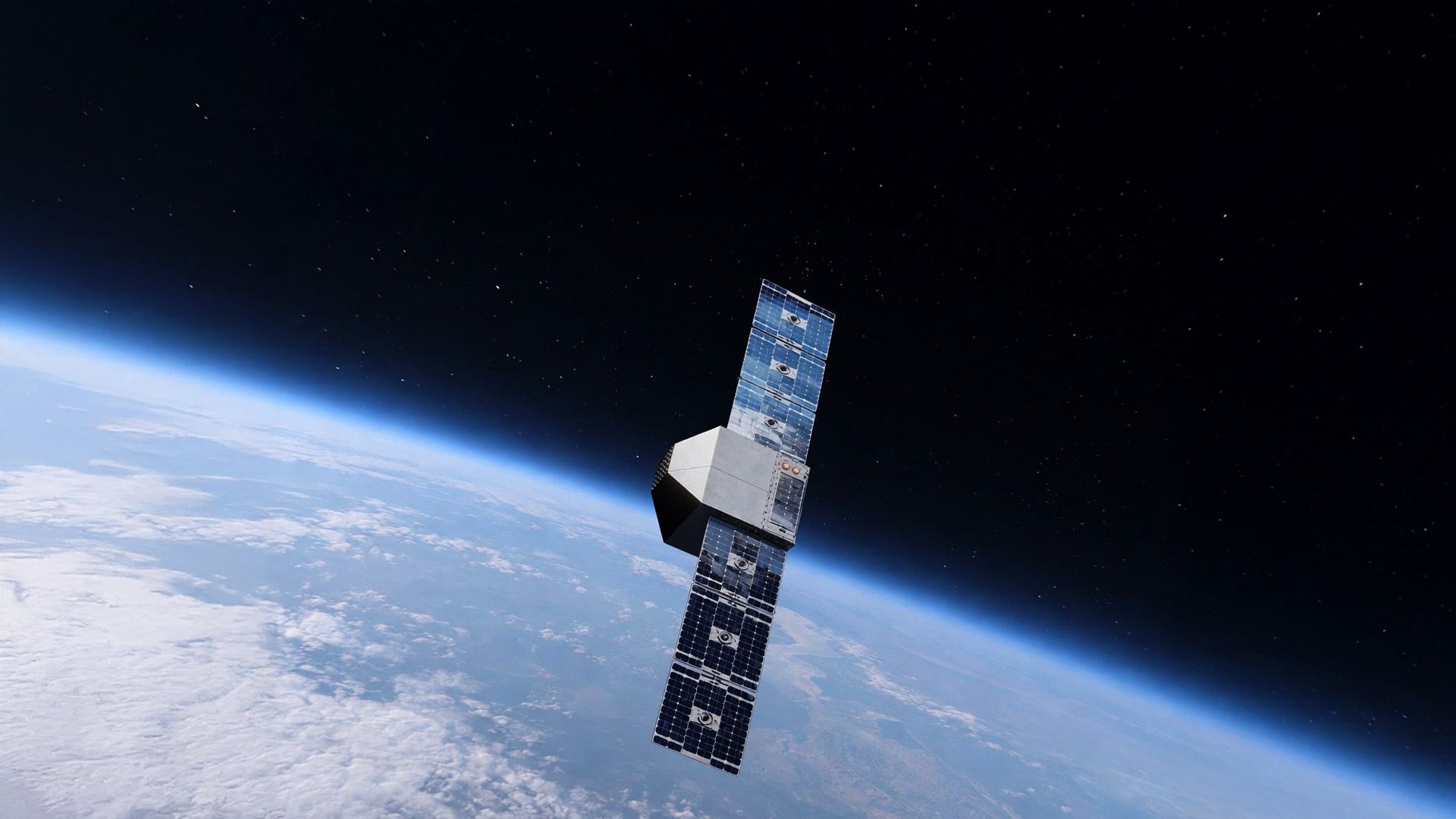
The burgeoning satellite industry, driven by advancements in telecommunications, Earth observation, and scientific research, relies critically on reliable and cost-effective power sources. As the number of deployed satellites continues to climb, particularly in Low Earth Orbit (LEO) constellations, the demand for efficient and durable solar power solutions has intensified. Historically, gallium arsenide (GaAs) solar cells have dominated the space sector due to their superior efficiency and radiation resistance. However, research into advanced silicon PV modules for satellites is gaining significant traction, promising a more economical alternative without compromising performance. Fraunhofer ISE, a prominent research institute, is at the forefront of this development, pushing the boundaries of silicon technology to meet the stringent demands of the space environment.
- Fraunhofer ISE is developing advanced silicon PV modules that offer a cost-effective alternative to traditional gallium arsenide (GaAs) cells for satellite applications.
- These new silicon modules feature enhanced radiation resistance and improved thermal management, addressing key challenges for long-duration space missions.
- The shift towards more affordable silicon technology could significantly lower the cost of satellite manufacturing and deployment, particularly for large constellations.
- While GaAs still holds efficiency advantages, the rapid advancements in silicon PV, combined with its lower production cost, position it as a strong contender for future space power systems.
The Growing Demand for Satellite Power
The space industry is undergoing a transformative period, characterized by the proliferation of small satellites and large constellations. These developments necessitate a re-evaluation of traditional satellite component sourcing and design, with a strong emphasis on cost reduction and increased throughput. Power systems, being fundamental to any spacecraft’s operation, are a critical area for innovation. Every satellite, regardless of its mission, requires a consistent and resilient power supply to operate its instruments, communications systems, and propulsion. Solar arrays are the primary means of generating this power, converting sunlight into electricity to charge onboard batteries and directly power systems.
Cost Efficiency: A Driving Factor
For decades, GaAs solar cells have been the gold standard for space applications. Their high efficiency, excellent radiation resistance, and ability to operate effectively at higher temperatures made them indispensable. However, the manufacturing process for GaAs cells is complex and expensive, leading to significantly higher costs per watt compared to terrestrial silicon PV. As the commercial space sector expands and competition intensifies, the drive to reduce overall mission costs has become paramount. This economic pressure has spurred renewed interest in silicon PV, which benefits from decades of research and development in the terrestrial solar market, resulting in mature manufacturing processes and economies of scale. The potential to leverage these advantages for space-grade silicon PV modules offers a compelling pathway to more affordable satellite power systems.
Fraunhofer ISE’s Innovations in Silicon PV
Fraunhofer ISE, a leading European research institute specializing in solar energy, has been instrumental in advancing silicon photovoltaic technology for space applications. Their work focuses on overcoming the inherent limitations of silicon in the harsh space environment, particularly concerning radiation degradation and thermal management. The institute’s approach involves a combination of advanced cell architectures, protective coatings, and optimized module designs.
Enhancing Radiation Hardness
One of the primary challenges for any solar cell in space is radiation exposure. Energetic particles in Earth’s magnetosphere and cosmic rays can cause structural damage to the semiconductor material, leading to a decline in power output over time. While GaAs naturally exhibits higher radiation tolerance, Fraunhofer ISE has developed strategies to significantly improve the radiation hardness of silicon PV cells. This includes optimizing doping profiles, introducing defect engineering techniques, and developing specialized cover glass technologies. These advancements aim to mitigate the effects of radiation-induced damage, ensuring a longer operational lifespan for silicon solar arrays in orbit. Research from NASA has long explored the fundamental mechanisms of radiation damage in silicon solar cells, providing a foundational understanding for these modern innovations.
Thermal Management and Long-Term Reliability
Spacecraft experience extreme temperature fluctuations, from the intense heat of direct sunlight to the cryogenic cold of eclipse. Effective thermal management is crucial for maintaining the performance and reliability of solar cells. Fraunhofer ISE’s research includes developing module designs that efficiently dissipate heat, preventing performance degradation and material stress. This involves optimizing substrate materials, adhesive layers, and interconnects. Furthermore, ensuring long-term reliability in the vacuum of space, with its constant thermal cycling and UV exposure, requires robust encapsulation and assembly techniques. Adherence to standards like those outlined by the European Cooperation for Space Standardization (ECSS) is vital for qualifying these modules for flight. The integration of these advanced silicon PV modules also benefits from insights gained from terrestrial applications of commercial solar energy storage systems, which face their own challenges in thermal regulation and long-term performance.
Silicon PV vs. Gallium Arsenide and Thin-Film
The choice of solar cell technology for a satellite mission involves a complex trade-off between efficiency, cost, mass, and radiation tolerance. While GaAs multi-junction cells currently hold the record for the highest efficiencies in space, their production costs remain a significant barrier for many projects. Silicon PV, on the other hand, offers a compelling cost advantage. Although traditional silicon cells have lower absolute efficiencies compared to the best GaAs cells, Fraunhofer ISE’s advancements are closing this gap, particularly when considering specific power (watts per kilogram) and cost per watt. For missions where volume and mass are less constrained, or where extreme efficiency is not the sole driving factor, advanced silicon PV can offer a highly competitive solution.
Thin-film solar cells, such as those based on CIGS or perovskites, represent another emerging technology for space. These offer advantages in flexibility and potential for very low mass. However, their long-term degradation mechanisms in the space environment are still under extensive investigation, and their efficiencies generally lag behind both GaAs and advanced silicon. For missions prioritizing extreme radiation hardness and maximum power density, especially in geostationary orbit (GEO) or deep space, GaAs will likely remain the preferred choice. However, for the burgeoning LEO satellite market, which emphasizes cost-effectiveness and rapid deployment, advanced silicon PV is becoming an increasingly attractive option.
Broader Implications for the Space Industry
The progress made by Fraunhofer ISE in developing cost-effective silicon PV modules for satellites holds significant implications for the broader space industry. Firstly, it democratizes access to space by lowering the barrier to entry for new satellite operators and missions. More affordable power systems mean lower overall satellite costs, enabling more ambitious projects and the deployment of larger constellations. This aligns with the wider trend of miniaturization and cost reduction seen across the space sector, where companies like those influenced by Tesla’s approach to energy solutions are pushing for greater efficiency and accessibility.
Secondly, the focus on enhancing radiation hardness and thermal management in silicon PV modules addresses critical longevity concerns for spacecraft. Longer operational lifespans reduce the need for frequent satellite replacements, leading to further cost savings and a more sustainable use of orbital resources. This contributes to the industry’s growing emphasis on in-orbit servicing and extended mission durations. The ongoing development of robust, reliable, and affordable solar power technologies is not just an incremental improvement; it is a foundational element that underpins the next generation of space exploration and commercial utilization. The lessons learned from extending the life and performance of silicon PV in space could even feedback into terrestrial applications, though the challenges are fundamentally different. Understanding the mechanisms of solar cell degradation in space is crucial for both design and operational planning.
FAQ: Frequently Asked Questions
Q: Why are silicon PV modules now being considered for satellites when gallium arsenide (GaAs) has been the standard?
A: Silicon PV modules are becoming more attractive due to significant advancements in their efficiency, radiation resistance, and thermal management. Crucially, silicon benefits from decades of terrestrial solar industry development, making it substantially more cost-effective to produce than GaAs cells, which is a key factor for the rapidly expanding commercial satellite market and large constellations.
Q: What are the main challenges for silicon PV modules in the space environment?
A: The primary challenges include degradation from radiation exposure (energetic particles and cosmic rays), extreme temperature fluctuations (thermal cycling), and the effects of ultraviolet (UV) radiation in a vacuum. Fraunhofer ISE’s research focuses on mitigating these issues through enhanced cell architectures, protective coatings, and optimized module designs.
Q: How does Fraunhofer ISE improve the radiation hardness of silicon PV cells?
A: Fraunhofer ISE employs techniques such as optimizing doping profiles, utilizing defect engineering, and developing specialized, radiation-resistant cover glass technologies. These methods aim to minimize structural damage to the silicon material caused by high-energy particles, thereby extending the operational life of the cells in orbit.
Q: Are silicon PV modules as efficient as gallium arsenide (GaAs) cells for space applications?
A: Historically, GaAs multi-junction cells have offered higher efficiencies. However, advanced silicon PV modules are closing this gap, especially when considering factors like specific power (power-to-mass ratio) and cost per watt. While GaAs may still be preferred for missions requiring the absolute highest power density, advanced silicon is increasingly competitive for cost-sensitive missions, particularly in LEO.
Q: What types of satellites would benefit most from these cost-effective silicon PV modules?
A: Satellites in large constellations, particularly in Low Earth Orbit (LEO), and those with missions where overall cost and rapid deployment are critical factors, stand to benefit significantly. These include telecommunications satellites, Earth observation platforms, and other commercial and scientific missions where the economic advantages of silicon PV can be fully leveraged.
Conclusion
The innovations from Fraunhofer ISE in developing advanced, cost-effective silicon PV modules for satellites represent a pivotal shift in the space power landscape. By addressing the traditional limitations of silicon in terms of radiation hardness and thermal performance, these developments offer a compelling alternative to more expensive GaAs technology. This evolution is poised to accelerate the growth of the satellite industry, particularly for LEO constellations, by lowering manufacturing costs and enabling longer, more reliable missions. As the demand for satellite services continues to expand, the ability to deploy robust and economical power solutions will be a key determinant of success, solidified by the role of advanced silicon PV as a cornerstone of future space endeavors. The ongoing research and development in this area underscore a broader trend towards making space technology more accessible and sustainable.

Elena Marsh is the editorial byline for VoltaicBox's coverage of solar, wind, hydrogen and grid-scale storage. Articles published under this byline are researched and edited by the VoltaicBox team, and link to their primary sources u2014 project filings, regulatory decisions and published energy data u2014 so readers can check the original for themselves.
More to Explore
Discover more content from our partner network.

Join the Conversation
0 CommentsLeave a Reply